We need an honest conversation about monkeypox
- Text by Phil Samba
- Photography by Elvert Barnes via Wikimedia Commons

On Tuesday (2 August), the 24th International AIDS Conference came to an end in Montreal, Canada. The biggest and arguably most important conference on HIV and AIDS, it drew together activists, researchers, scientists, and policy makers. Across the five days of the conference, monkeypox was a constant topic of conversation.
At the time of writing, 98 per cent of monkeypox cases are among men who sleep with men (MSM). Although monkeypox isn’t a sexually transmitted infection, it can be passed on through very close (essentially skin to skin) physical contact and within almost all those cases, it was transmitted through sexual contact. Data shows that close nonsexual contact with someone with monkeypox isn’t actually spreading the virus. Despite rapid spread, it’s taken a long time for the World Health Organisation (WHO) to finally declare the outbreak a global health emergency.
WHO Director-General Dr. Tedros Adhanom Ghebreyesus stated, “Although I am declaring a public health emergency of international concern, for the moment this is an outbreak that is concentrated among men who have sex with men, especially those with multiple sexual partners”. This declaration, while entirely correct, prompted charges of homophobia as media attention around the virus intensified.
There were accusations that gay and bi men had been being singled out unnecessarily, that it increases discrimination, that viruses ‘don’t know your sexuality’, and that the WHO was unfairly blaming MSM for the spread of monkeypox.
Those seeking to portray giving men who have sex with men prioritised access to the monkeypox vaccine as homophobic have completely lost the plot.
It would be homophobic to deny gay and bi men priority for the vaccine. How do they not understand this.
— Owen Jones (@OwenJones84) July 26, 2022
I’ve been working in HIV and sexual health for over five years with a focus on the health inequalities of queer men of colour, Black queer men especially. In my work, I regularly use social media marketing to conduct health promotions to certain demographics, such as Black African heterosexual men and women who are at high risk of HIV in the UK. I’ve also conducted outreach on dating apps to contact queer men of colour for the same reason. In doing so, I’ve consistently faced a similar similar pushback to that directed at the WHO over its monkeypox response – until I explain why.
Within public health we must be very specific about who we’re targeting: the ‘one size fits all’ approach doesn’t always work. We cannot underestimate the importance of spelling out exactly who is at risk and explaining those risks to them to enable those communities to receive the interventions and education necessary to keep themselves safe.
Many criticising the WHO have spoken about allotting stigma, invoking the HIV/AIDS crisis of the ’80s and ’90s. There are, undoubtedly, parallels between this current outbreak and the HIV/AIDS crisis; another health condition that was, and still is, disproportionately affecting gay and bisexual men.
The messaging during the height of the crisis was very targeted but it was also extremely stigmatising. For example, the ‘Don’t Die of Ignorance’ campaign – which featured now infamous tombstone TV ads, billboard posters, and a leaflet posted to homes – was scaremongering in its tone. The major difference between the messaging of the past and the messaging around monkeypox is that the latter is simply factual. The virus has found itself in pools of people who enjoy having sex with multiple partners. There is, of course, nothing wrong with this, and we know from a wealth of experience that advising abstinence simply does not work, so in place of this, we must be able to talk about monkeypox in a mature and healthy way. This includes honest conversations about who is at risk.
Those quick to anger at the WHO’s response should direct it elsewhere instead, primarily towards the government, whose response thus far has been woeful. The messaging around monkeypox has been extremely confusing, while the frontline services left to deal with it find themselves incredibly under-resourced. Funding for sexual health services has already been cut by £700 million since 2014/2015. Those services have since been hit by the dual pressures of being asked to deliver additional PrEP services and having some clinicians seconded to help with the Covid-19 pandemic. The impact of this, with the introduction of monkeypox, means some vital services are being dropped which could potentially lead to an increase in rates of HIV and other STIs.
A vaccine for monkeypox is being offered, but the demand is so high, there are wait times of up to four hours at walk-in centres. Information about walk in centres or clinics offering appointments has been incredibly hard to come by, with many trying for hours to get through on jammed phone lines just to be told there are no appointments or that doses of the vaccine have run out.
the fact we are this far into monkeypox crisis and the UK government have not even centralised their vaccine effort is reprehensible. queer men are still relying on word of mouth and the tireless work of frontline workers to find out where to get vaccinated.
— ben (@benvyle) August 3, 2022
The NHS is not releasing data around the number of vaccines procured, but speaking to those on the ground, the situation is clearly dire. A staff member at the MRI in Manchester (the only vaccination centre in the city) tells me there were only 300 vaccines for the entire week and Ant Hopkinson, the CEO of charity Sahir House, said Liverpool only has a total of 200, when he estimates around 3000 would be needed.
It’s terrifying to watch the government drag their heels on this, just as they did with HIV. When there was an outbreak of Covid-19 in England, millions of vaccines were procured and the information around accessing them, their effects, efficacy and impact was streamlined and easy. For monkeypox, however, this information is mostly being shared on social media and in WhatsApp group chats. Procuring a vaccine is as much a stroke of luck as anything else. Or, being quick enough to book the appointment or flexible and able enough to be able to stand for hours in the oversubscribed queue at a walk-in centre.
The monkeypox crisis is highlighting the pre-existing issues with public health funding and the overwhelming pressure felt by sexual health services. We risk repeating the mistakes of the past if we don’t act with urgency. Instead of a ludicrous focus on alleged homophobia, we must focus on what’s really going on here, and how the government is once again letting down the community. We must fight for a swift UK-wide vaccine roll out as soon as possible, especially outside of London, where lots of men are having difficulty finding it. We need treatment access to be upscaled, more research, clearer messaging and we need it now.
Find out more about monkeypox here.
Follow Phil Samba on Twitter.
Enjoyed this article? Follow Huck on Twitter and Instagram.
You might like
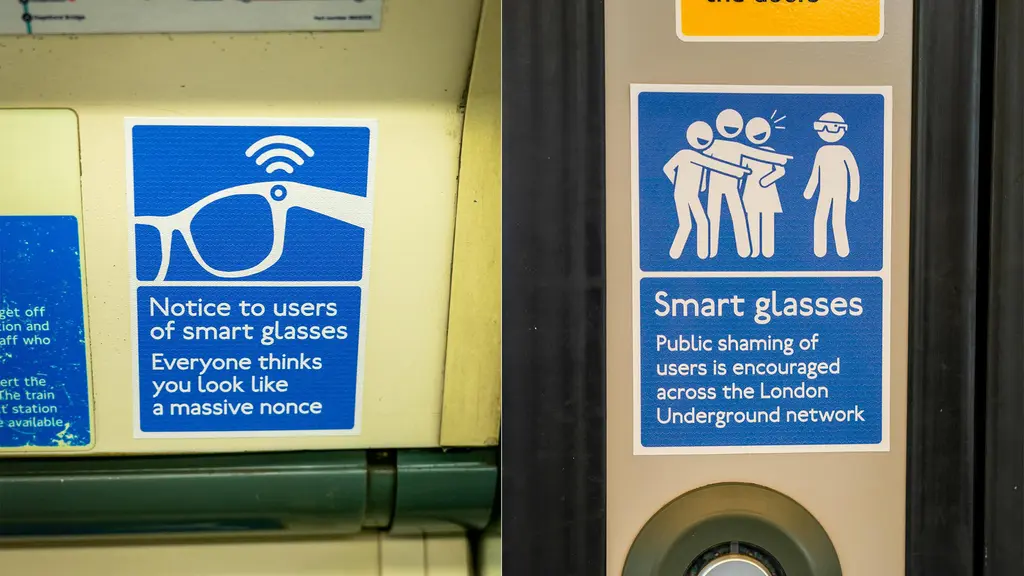
Activists slam “pervert glasses” in new guerrilla campaign
Everyone Hates Elon — Stickers have appeared on the London Underground network, criticising the wearable technology’s covert filming capabilities.
Written by: Isaac Muk

New exhibition highlights British radical living over 200 years
Earthly Paradise — Taking place at the William Morris Gallery, it explores the homes and lives of artists, writers, musicians and more, as well as the conditions that allowed them to thrive.
Written by: Isaac Muk

Pink Floyd’s Roger Waters joins team of new Palestinian resistance documentary
Freedom Theatre — Directed by Rishi Pelham, the film spotlights a theatre operating in the Jenin refugee camp.
Written by: Ella Glossop

Just Stop Oil holds first protest in 17 months
No new drilling — Having previously said that it was “hanging up the hi-vis”, the climate activist group has blocked a road outside Parliament to protest Andy Burnham opening the door for new oil and gas extraction licenses in the North Sea.
Written by: Ella Glossop

In photos: The enduring resistance of Notting Hill Carnival
Carnival of Resistance — A new photobook by Wayne Campbell and Wayne Crichlow reflects on the protest beginnings of Europe’s biggest street festival, along with the traditions keeping its original spirit alive today.
Written by: Isaac Muk

Tens of thousands gather to remember Jason Arday at London vigil
Stand Up to Racism — It took place in Trafalgar Square, with speakers paying tribute to the former Cambridge professor’s life and achievements, while calling for accountability over the reporting he faced from the mainstream press.
Written by: Ella Glossop


