The world’s most successful gay football club is still fighting homophobia on the pitch
- Text by Theo McInnes
- Photography by Theo McInnes

In recent history London has acted as an example in the progress of LGBT+ rights, but in a not too distant past the struggle of being a gay man or woman in the city was very real. Around the time I was born, 26 years ago, the climate around gay rights was in a bad place with fingers of blame being pointed at the gay community for the AIDS epidemic and laws in place banning the promotion of homosexuality.
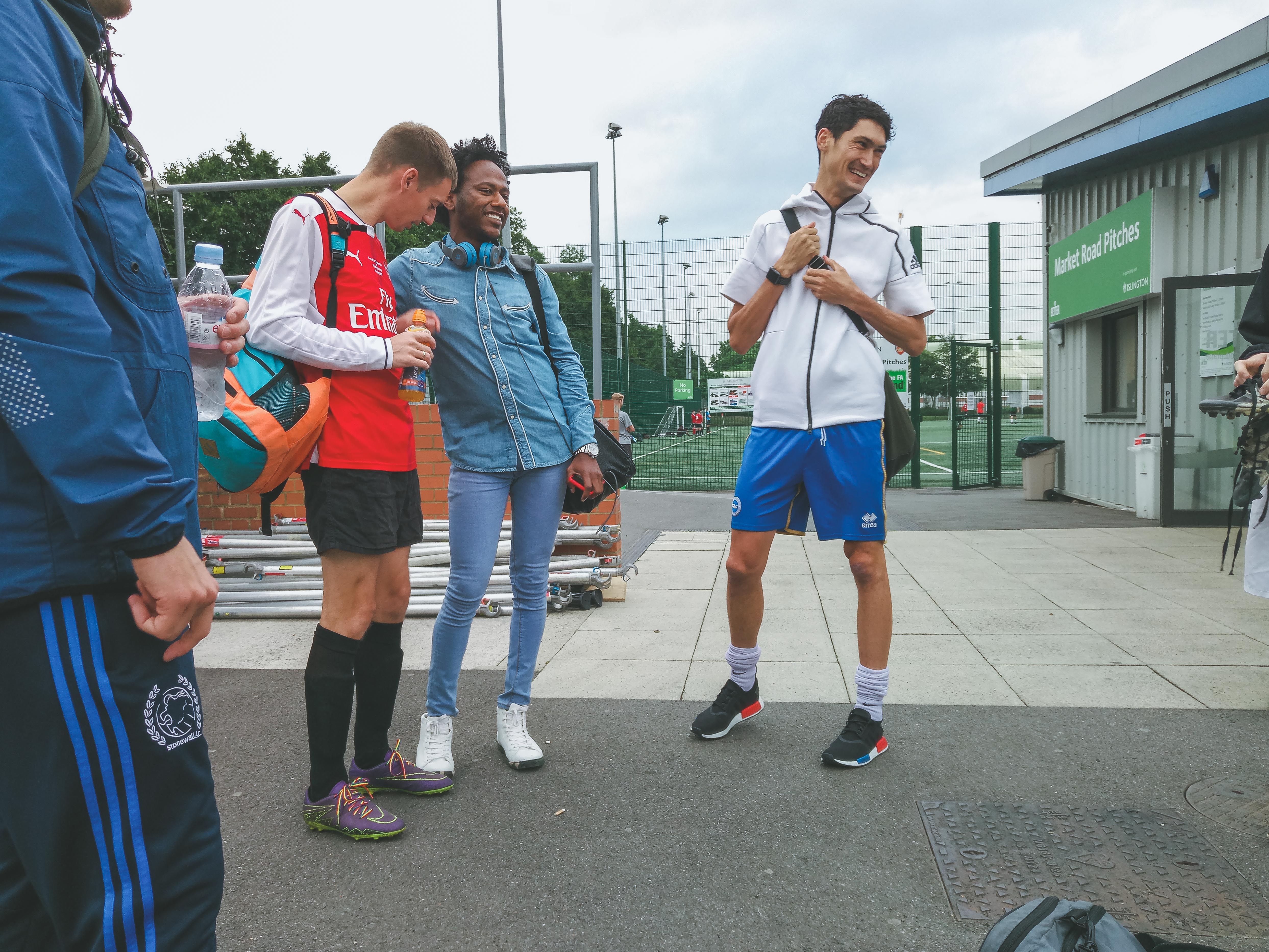
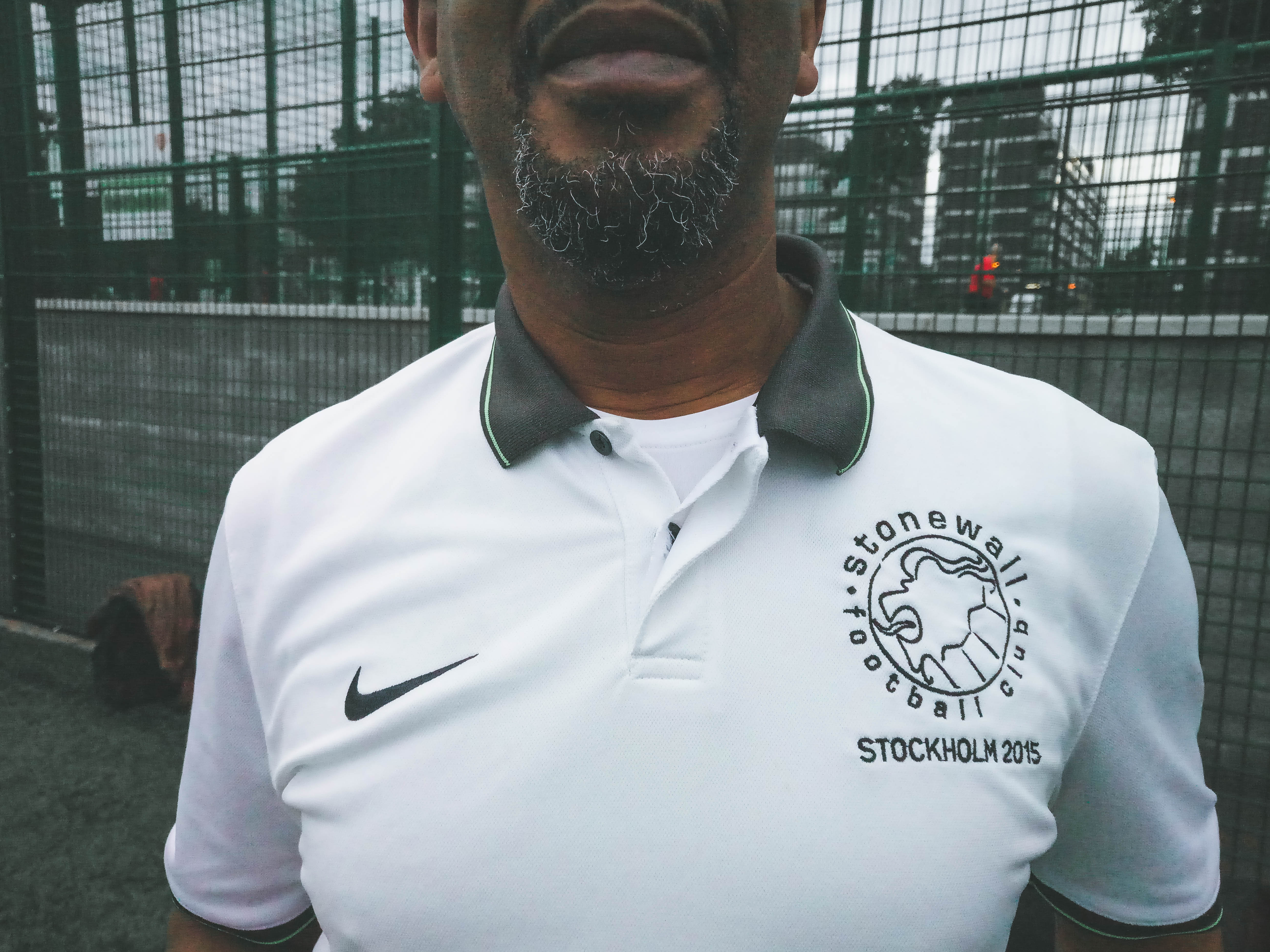
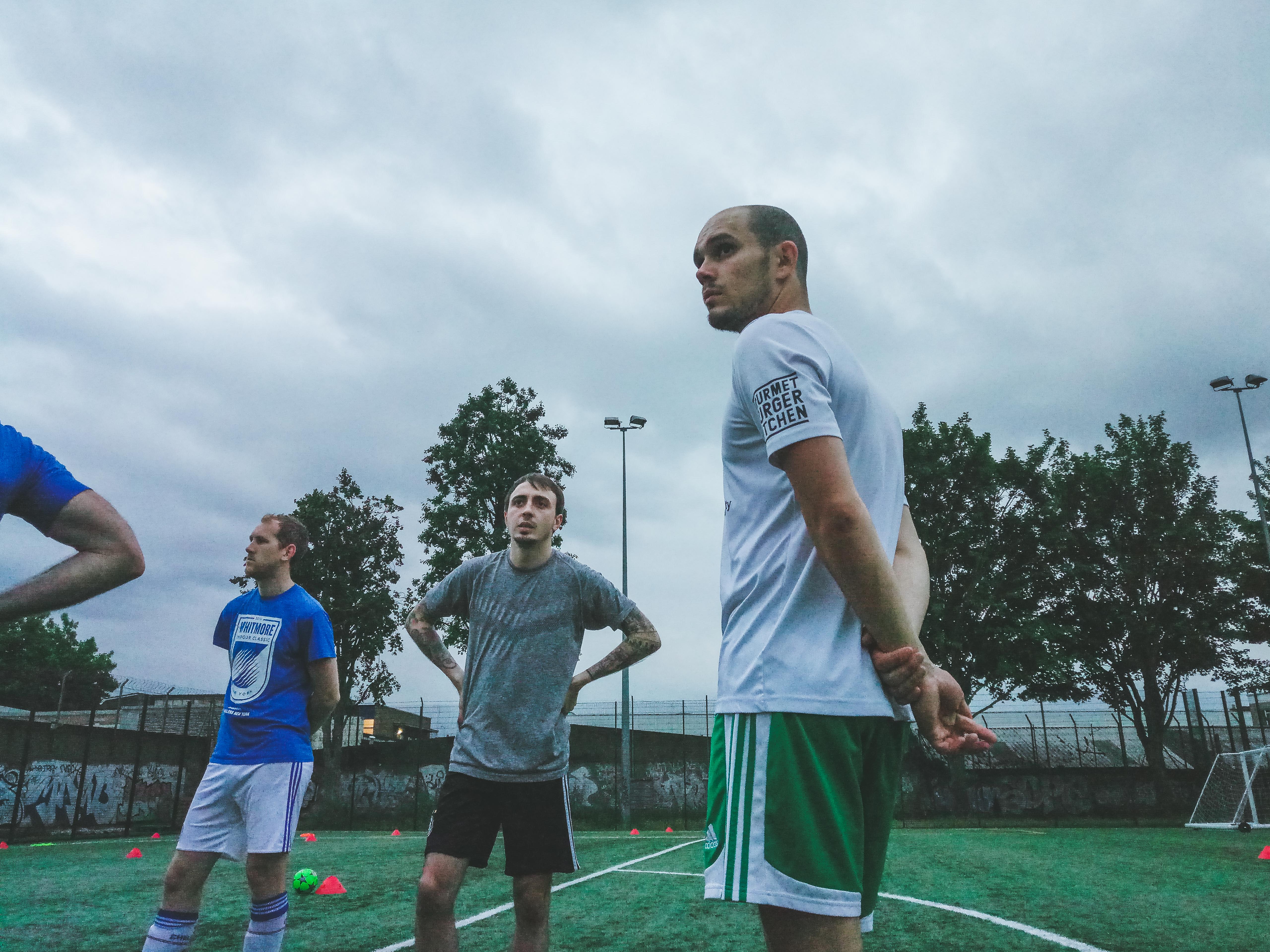
Justin (right) and some other Stonewall players arrive at the training ground
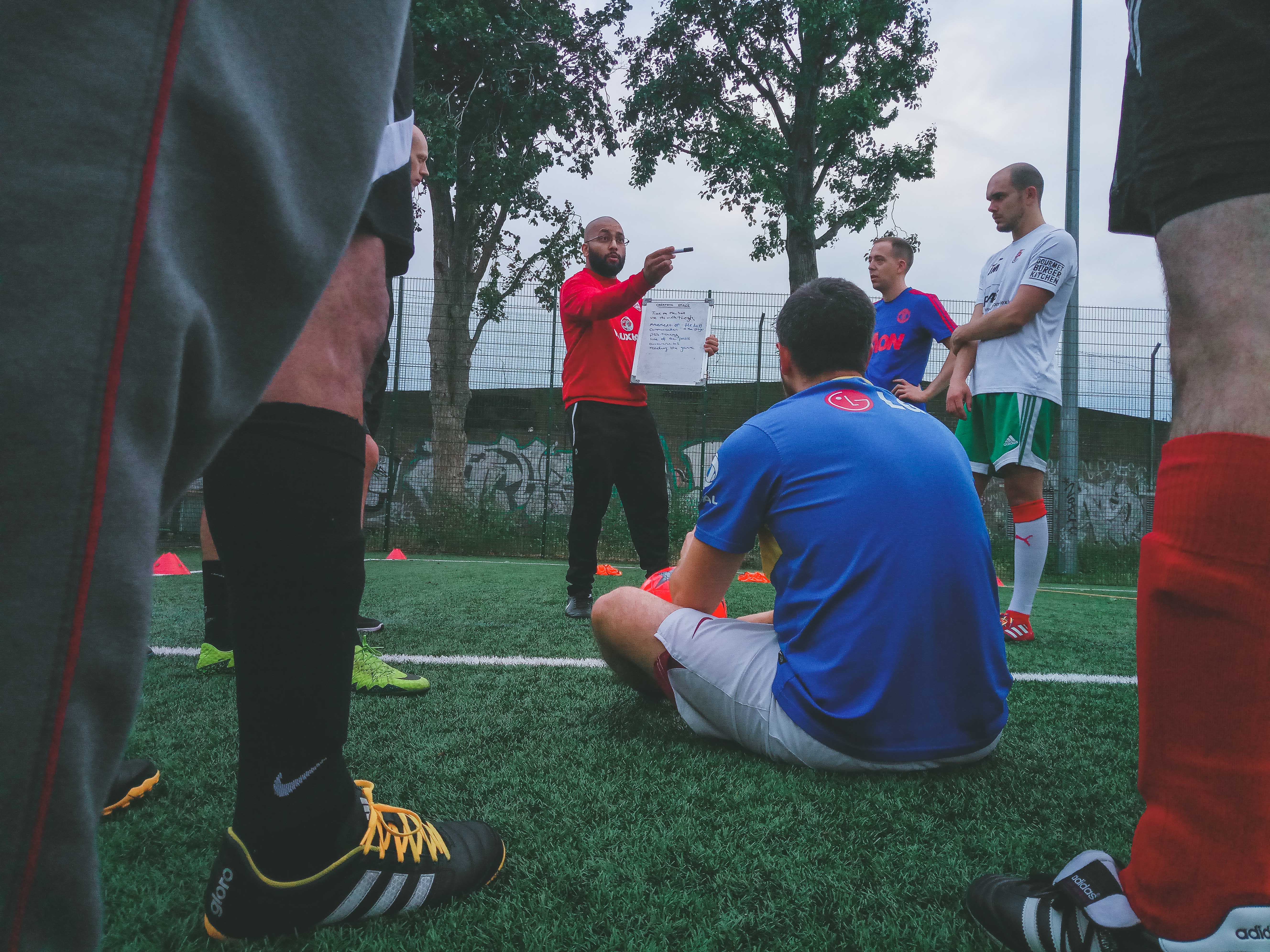
The 1st team go over tactics
That same year, in 1991, a small group of gay footballers had experienced enough abuse for their sexual preference and were growing tired of having to conceal their homosexuality, on and off the pitch. It started as a kick-around in a park but after a successful ad in Timeout Stonewall FC was born, the UK’s most successful gay football club.
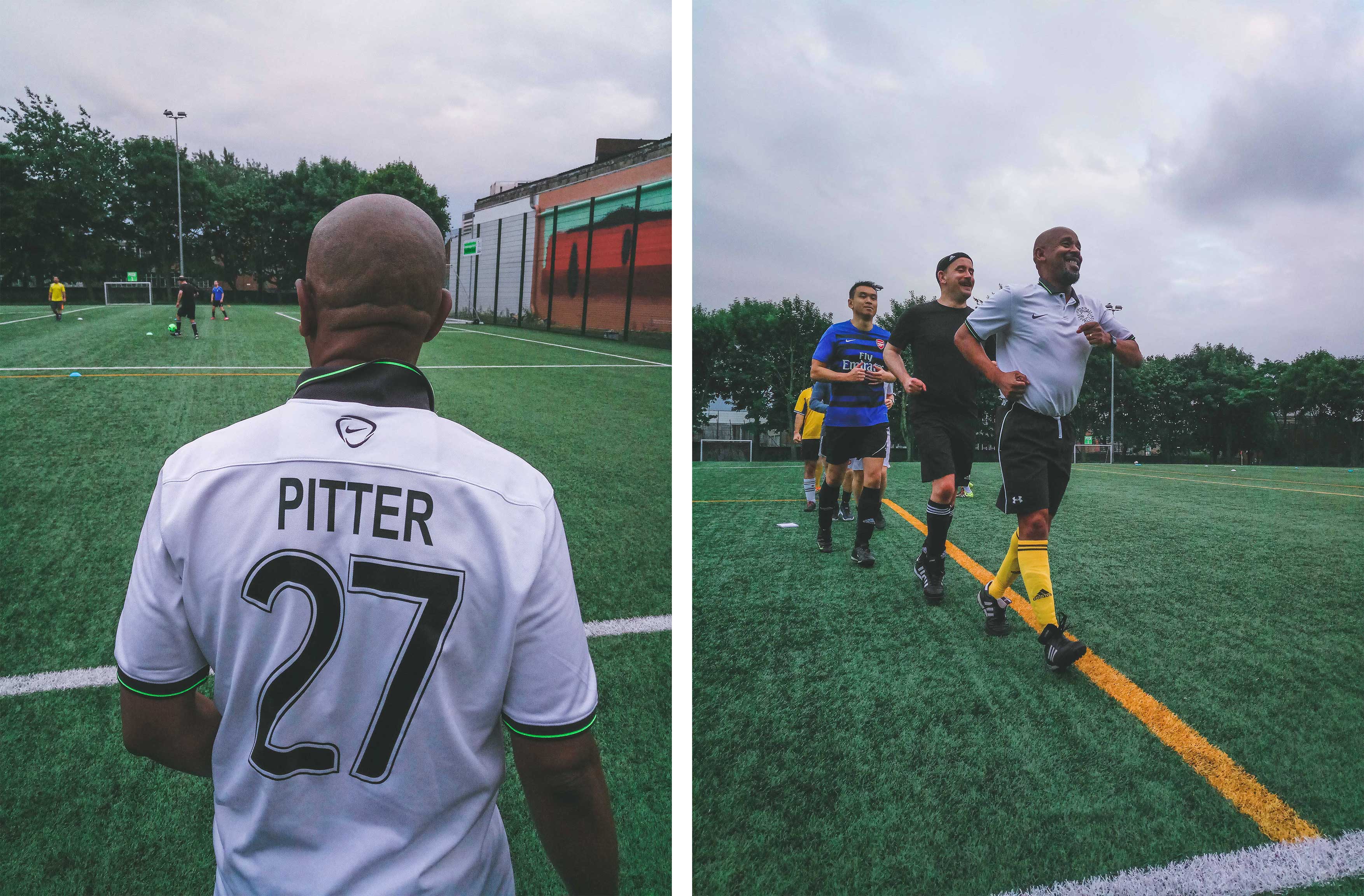
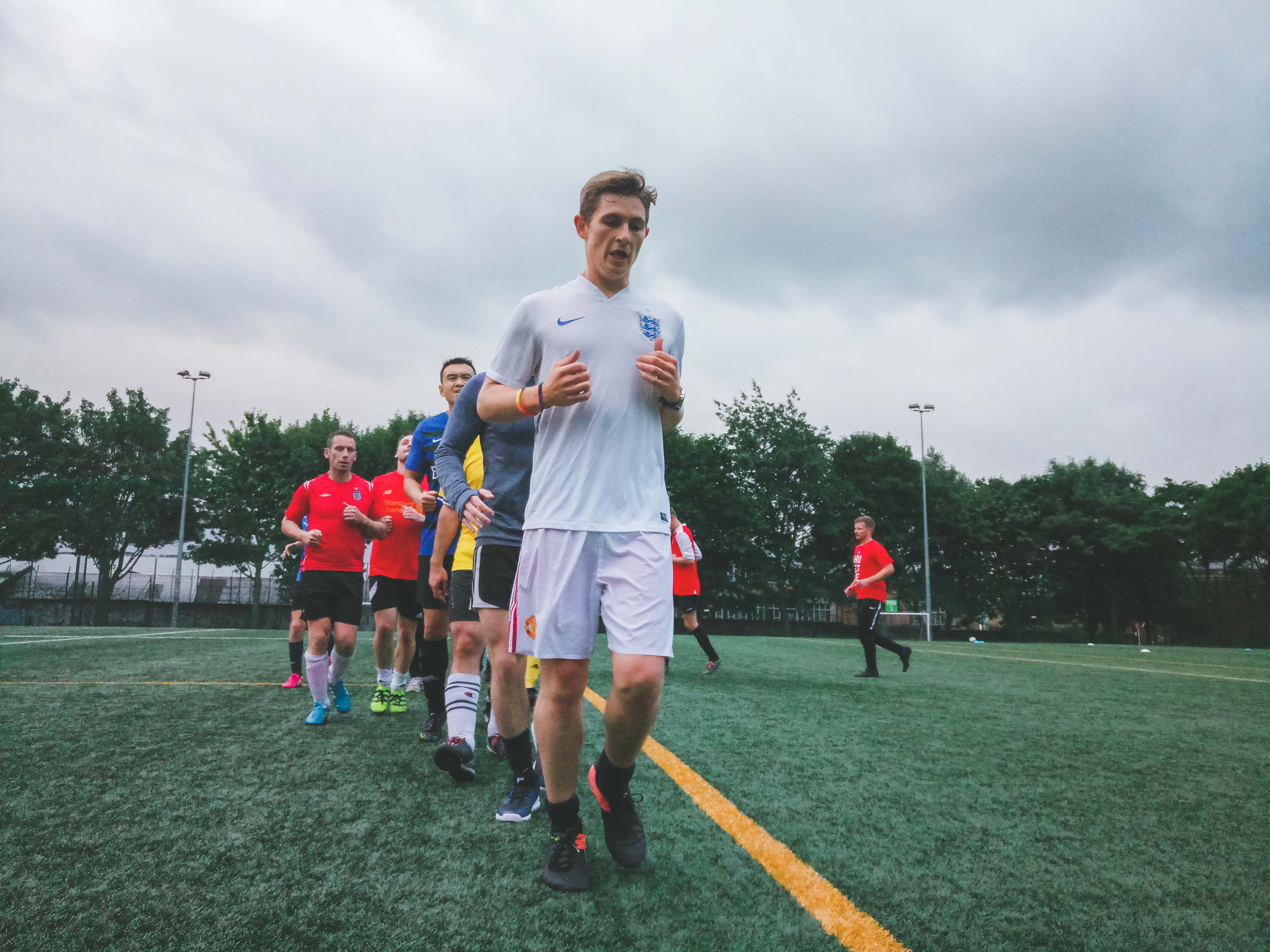
Aslie leading the pack with a smile during fitness training
Jump forward 26 years and I’m visiting the club for their first pre-season training session of the year. The team now compete in various straight and gay leagues with three different teams and training sessions a week. From a small group of gay men kicking around a football in the park to a fully fledged competitive team, it is an incredible feat to see how much the team has achieved not just in developing the club, but in fighting to try and change perceptions around gay people in the sport.
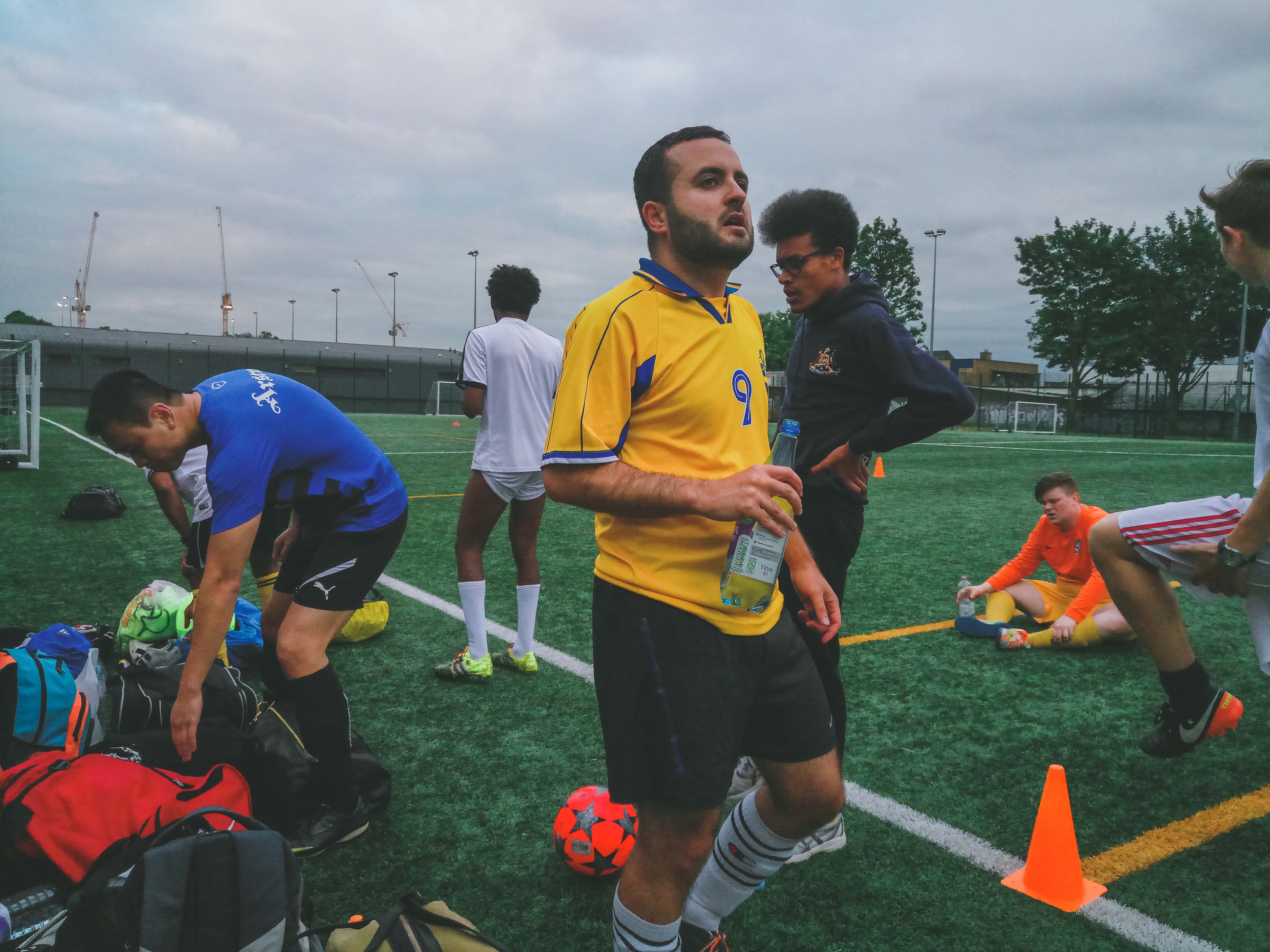
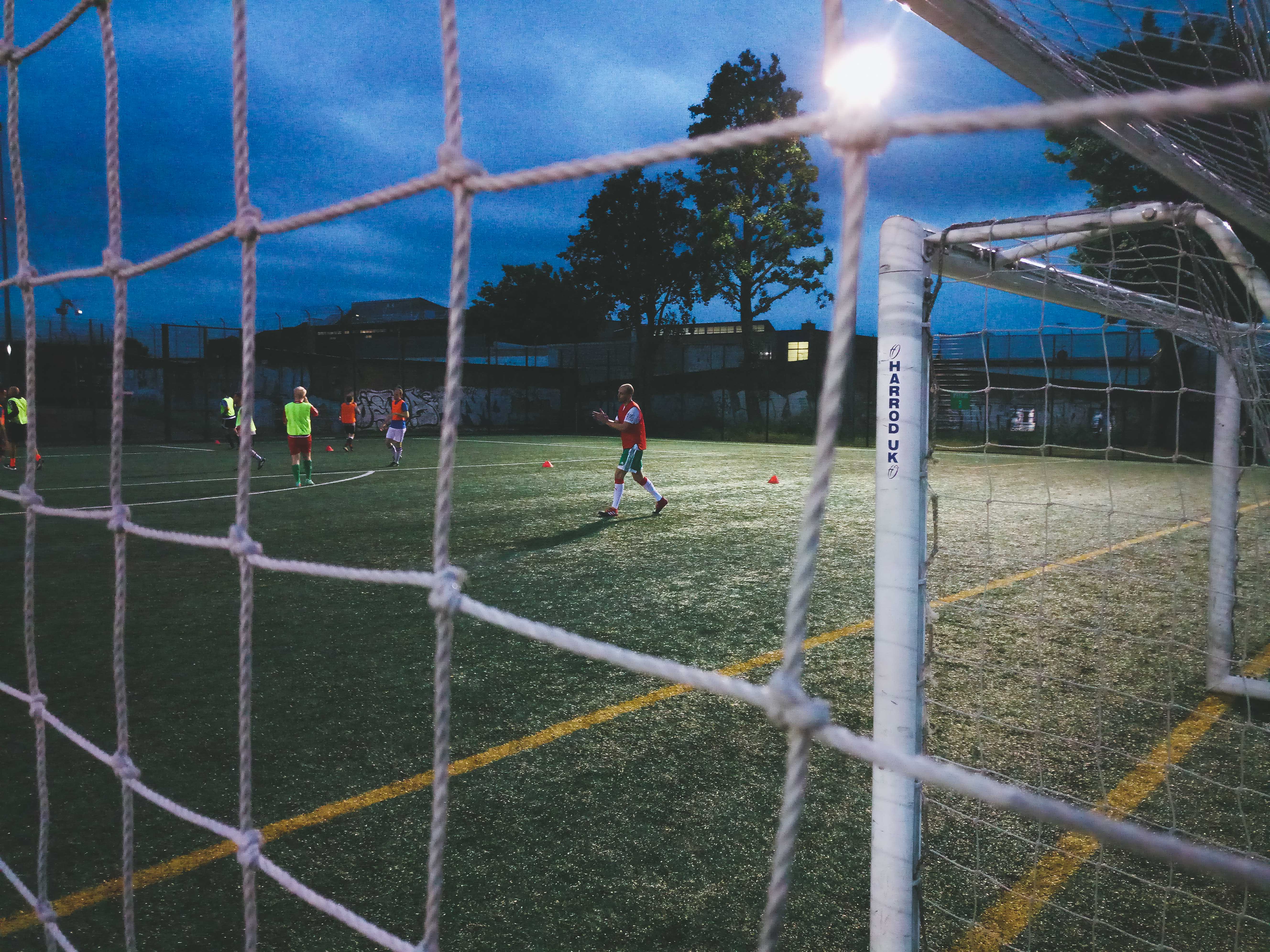
The 2nd and 3rd teams take a break after suffering the first fitness session of the season
One such idea to fight homophobia in football was the Rainbow Laces campaign. Stonewall was a main driving force behind the idea, as they encouraged their players and opponents to wear rainbow-coloured laces as a sign of solidarity and support for LGBT+ players in the sport. The campaign is now supported by the FA, Barclays and the Premier League as they are fighting to make football a sport for everyone, with the end goal of trying to eliminate prejudice from the pitch.
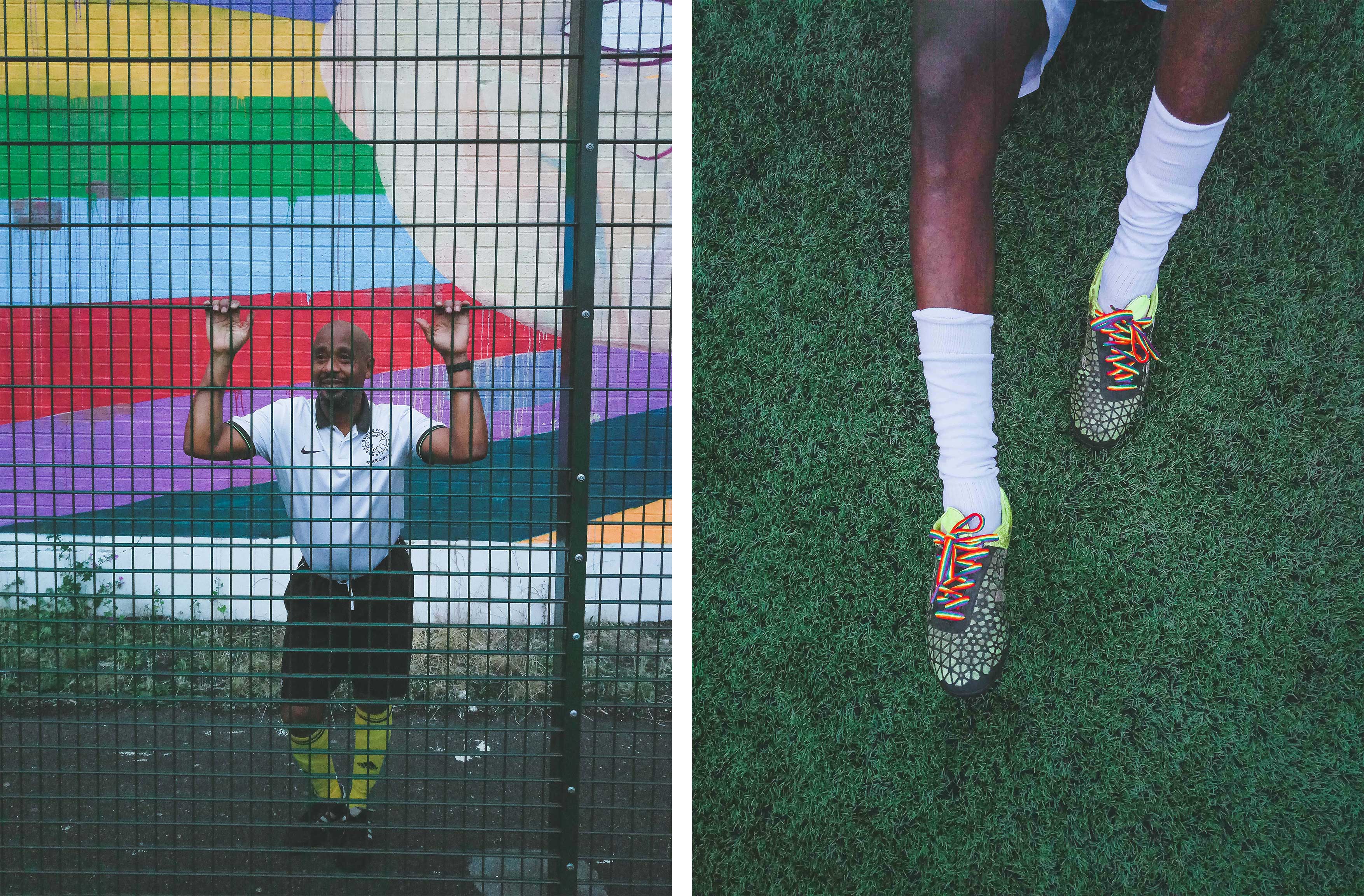
But as Aslie, one of the founding members of the club told me, trying to entirely eradicate homophobia from the sport is something of a pipe dream. The ignorance of some people is still very real as assumptions are made about the ability of gay men being able to play a physical, competitive sport. Even today the team still occasionally experience abuse, sometimes in the form of physical violence. Aslie says he’s seen fights break out when Stonewall are ahead, as some straight teams don’t like the idea of being beaten by “a bunch of gay men.”
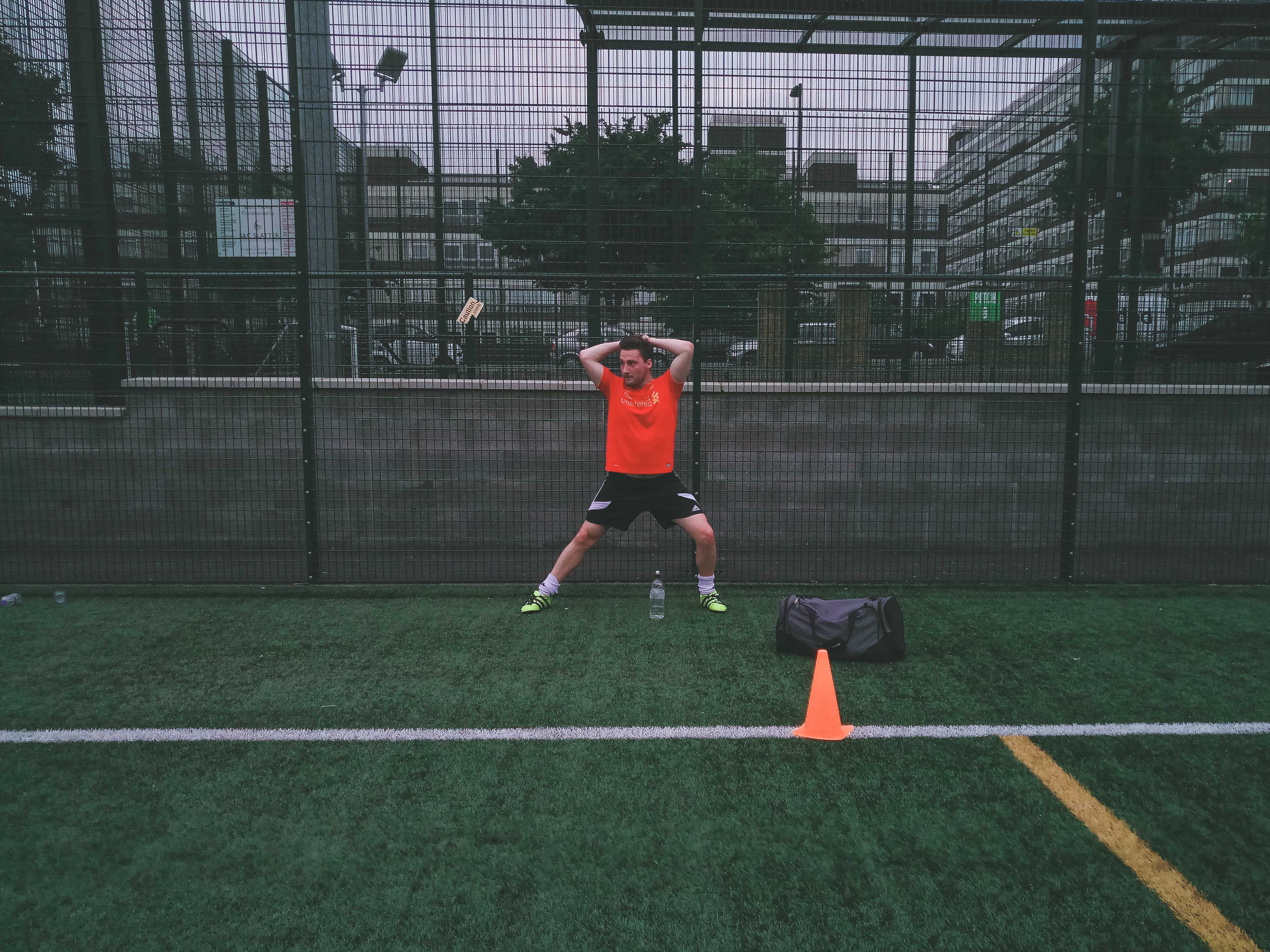
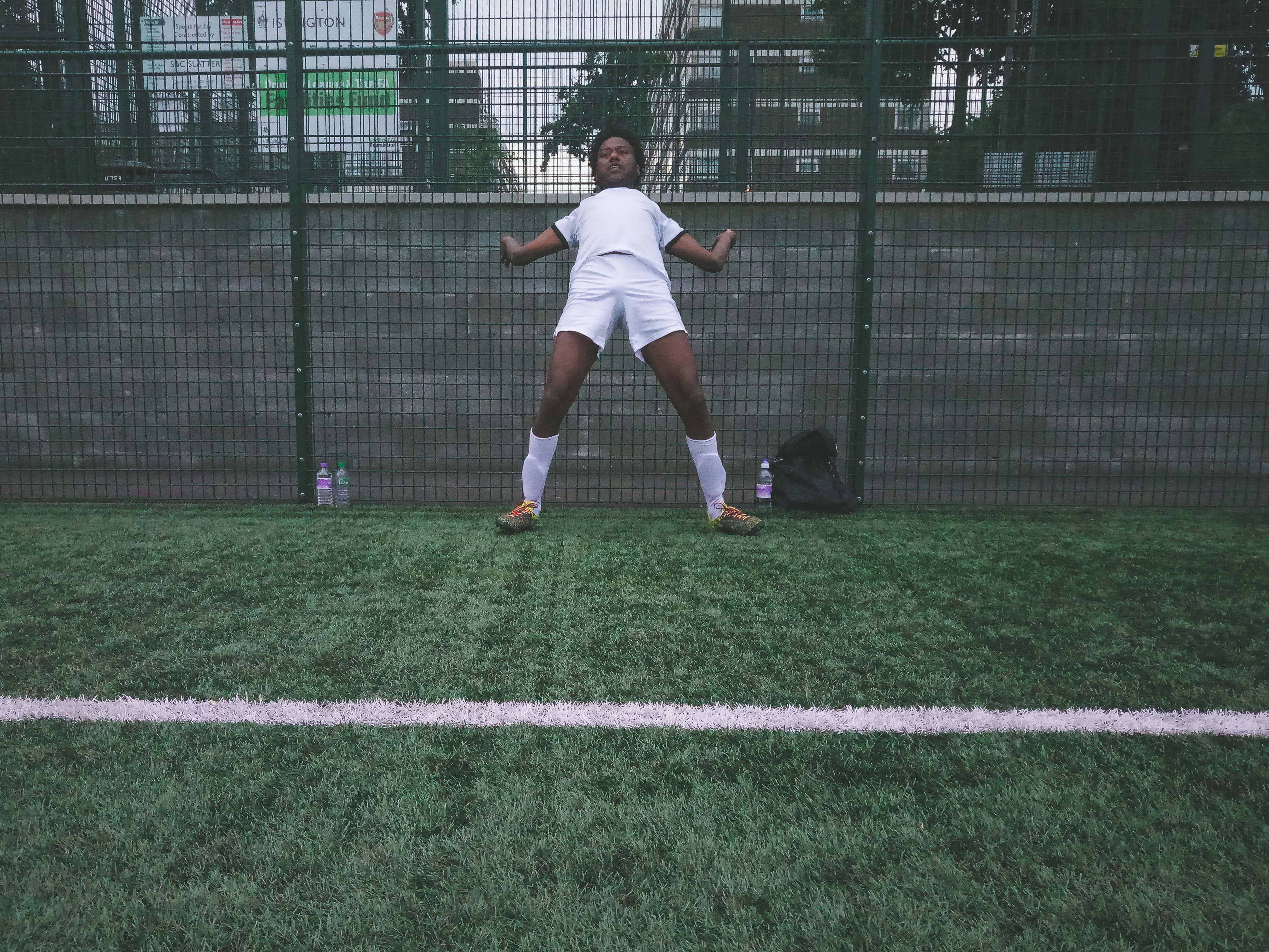
Warming up, before playing a match at the end of training
Setting out to change attitudes was never the primary focus of Stonewall; it started from a desire to simply play – and feel comfortable while doing so. As Justin, another player in the team tells me, when the guys step out onto the pitch they are primarily sportsmen – their sexual orientation comes second. But the players’ success and physical ability has a role in changing perceptions. Stonewall have repeatedly proven themselves on the pitch, with every win challenging deeply embedded presumptions about what a gay sportsman can and cannot do.
The club has created a model which others have started to follow in London and across the world, giving LGBT+ people spaces to be able to enjoy football free from homophobia and, in the process, fighting prejudice in the sport. As proud as the players are of the club and what it has achieved, the battle will only be won, they say, when there is no longer any need to label themselves a ‘gay football team’ in the first place.
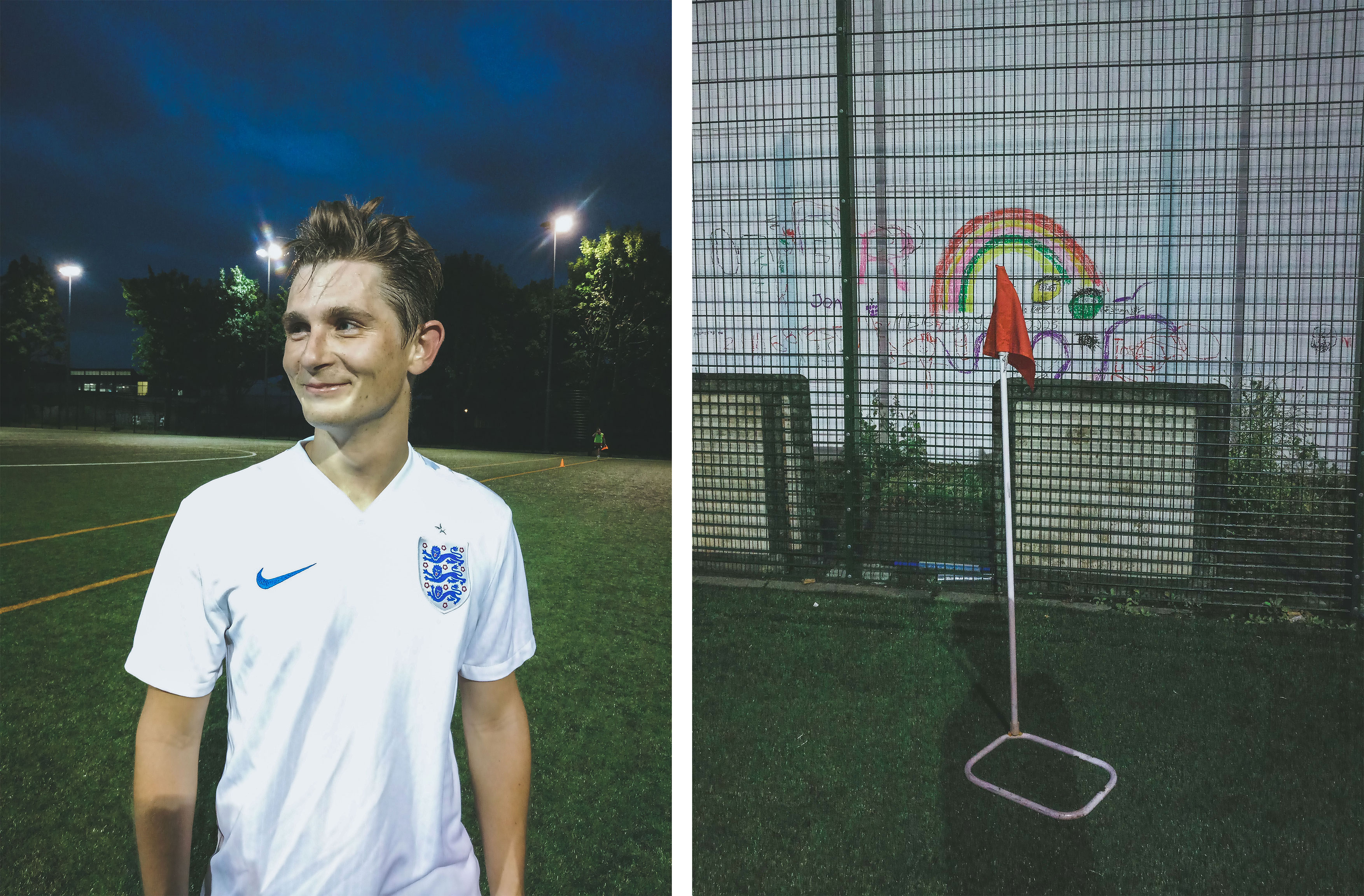
As the training session draws to a close, a red-faced Aslie considers the future of the club. “You can look at Arsenal and think how did that start up, and a lot of their fans won’t know,” he says. “I’m hoping that in 25 years from now people will say, ‘Oh yeah, Stonewall FC, my team, but do you know how they started?’ With the world the way it is Stonewall needed to be here and it’s made some difference, but hopefully in the future it shouldn’t matter if the club is gay or not.”
Pivot Points: Stories of Change from Huck Photographers are shot entirely on the KODAK EKTRA Smartphone, a 21 megapixel camera smartphone with 4K video capability.
Enjoyed this article? Like Huck on Facebook or follow us on Twitter.
You might like

Jesse Glazzard’s messy portrait of queer friends, lovers and chosen family
The Sound of Dirt and Beauty — The photographer’s debut monograph explores tender, unpolished moments shaped by the people who he surrounds himself with, while offering a window into the UK’s working-class LGBTQ+ community.
Written by: Sunny Sunday

Behind the curtain at Alternative Miss World 1981
Olympia glamour — Running a subversive take on the traditional beauty pageant, the Andrew Logan organised event prioritised underground creativity and invention. Photographer David Corio went behind the scenes at its biggest edition.
Written by: Miss Rosen

New exhibition highlights British radical living over 200 years
Earthly Paradise — Taking place at the William Morris Gallery, it explores the homes and lives of artists, writers, musicians and more, as well as the conditions that allowed them to thrive.
Written by: Isaac Muk

What life on the Strait of Hormuz is really like
Southern Winds — Bandar Abbas based photographer Morteza Niknahad has been capturing the diverse communities and stories of his local region since he first picked up a camera. His new series highlights the human impact of war.
Written by: Isaac Muk

Nick Haymes’s intimate portrait of his family’s life
Chronograph — Over 25 years, the photographer documented his son’s lives as they grew into adults. The resulting photobook is an exploration of the passage of time, as well as the optimism of youth.
Written by: Miss Rosen

Kristina Rozhkova’s scatty, confronting portrait of captivity
Gut Feeling — The Russian artist’s 2024 arrest and subsequent detention opened her eye towards the omnipresent dynamics of power and control. Her new photobook is a stark exploration of being trapped.
Written by: Isaac Muk


