Photos of Britain‘s slum housing crisis in the ‘60s
- Text by Chloé Meley
- Photography by Nick Hedges

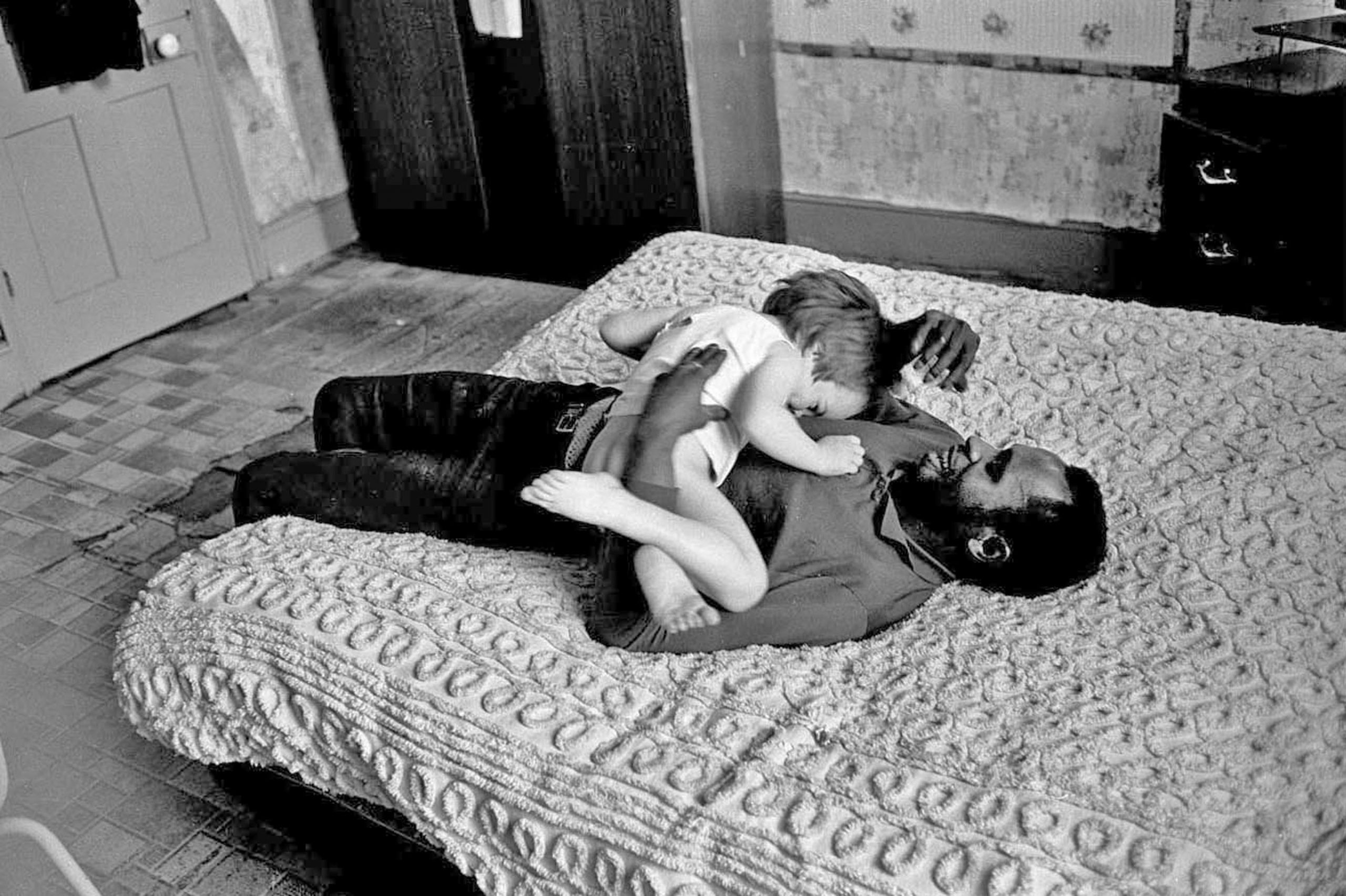
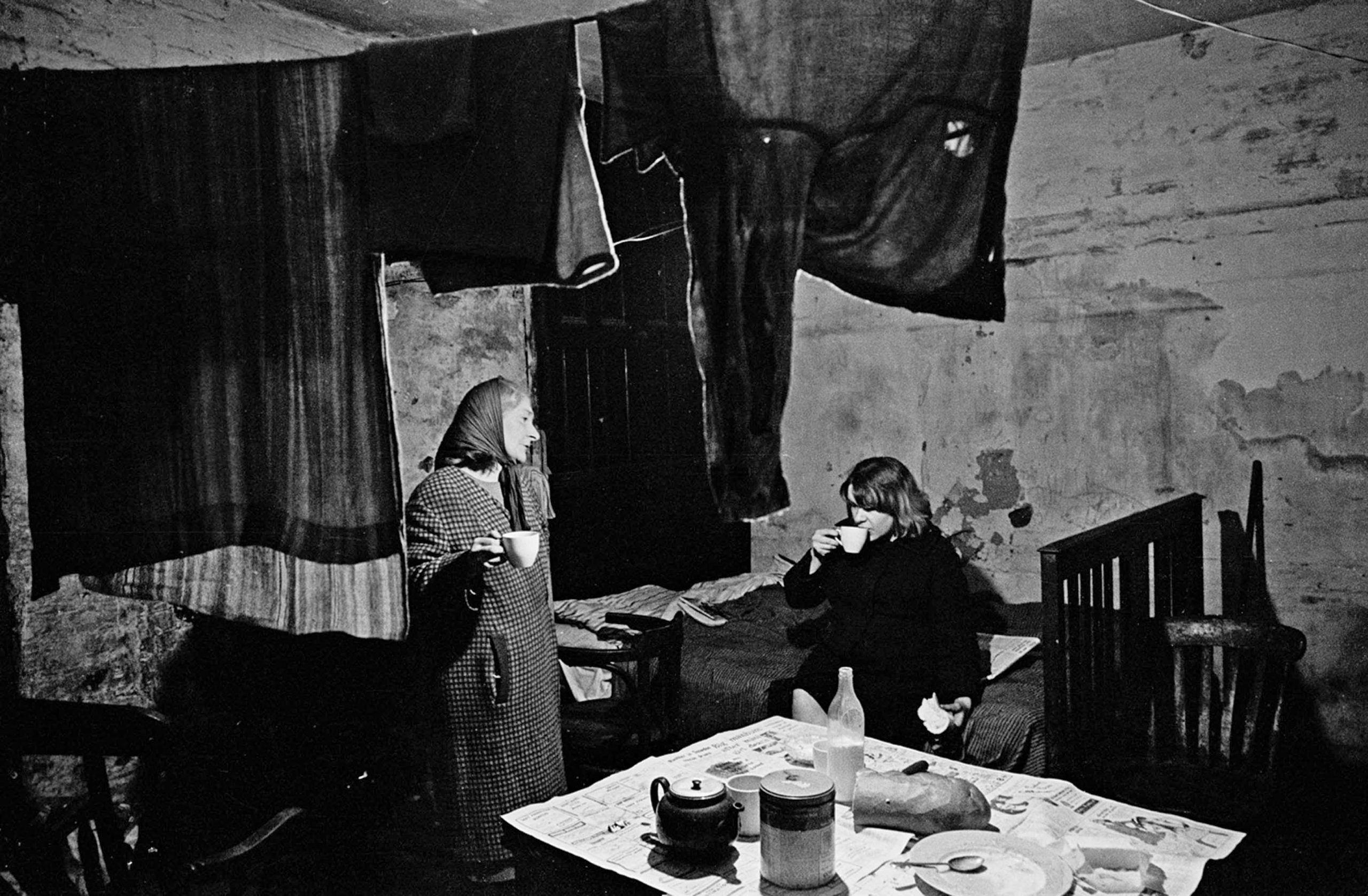
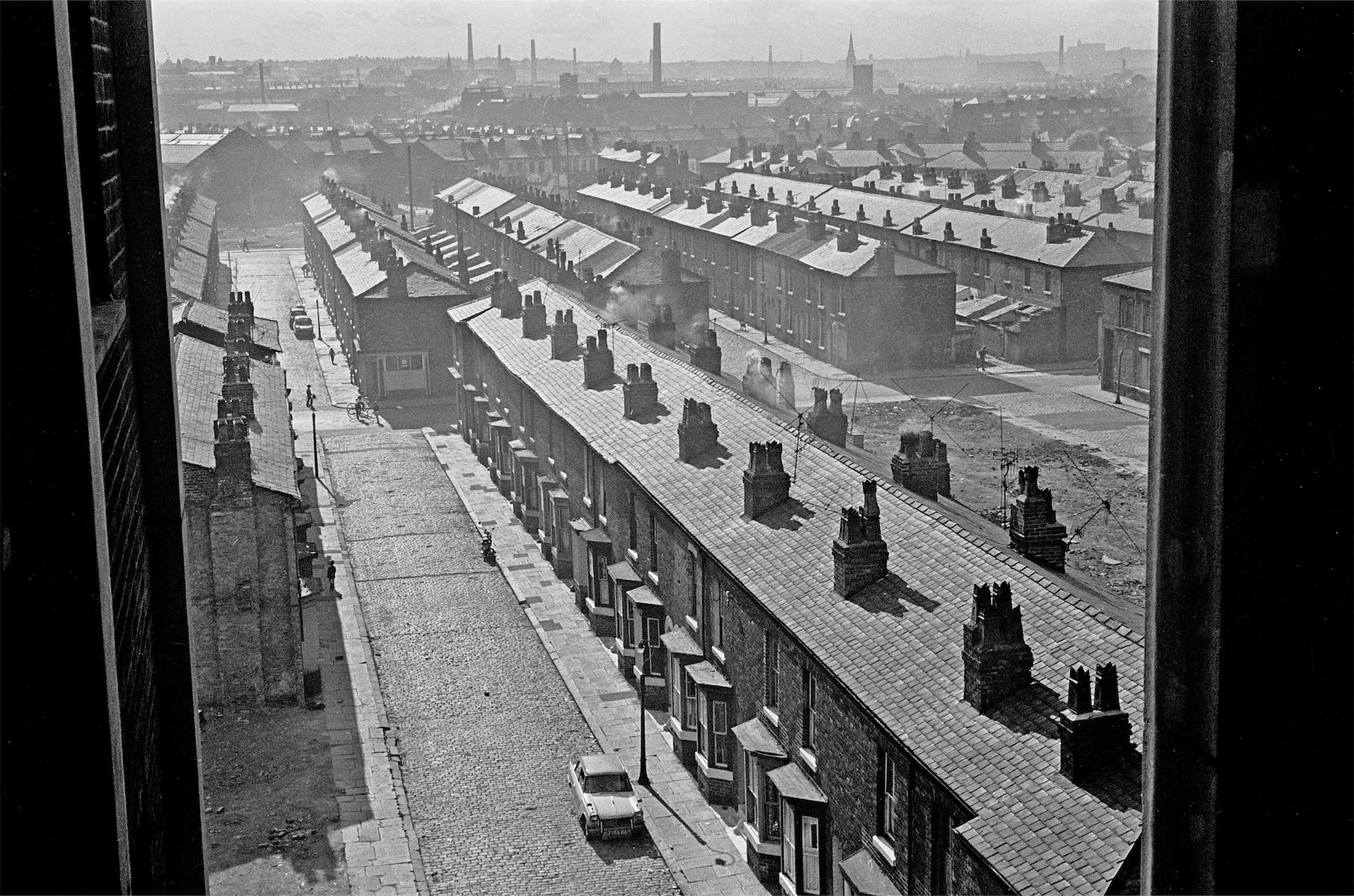
In the aftermath of the Second World War, government neglect and unscrupulous landlords spawned a nationwide housing disaster that left families across the UK living in decaying, unsafe flats. In 1968, the homelessness charity Shelter asked photographer Nick Hedges, fresh out of the Birmingham College of Art, to document this slum housing crisis.
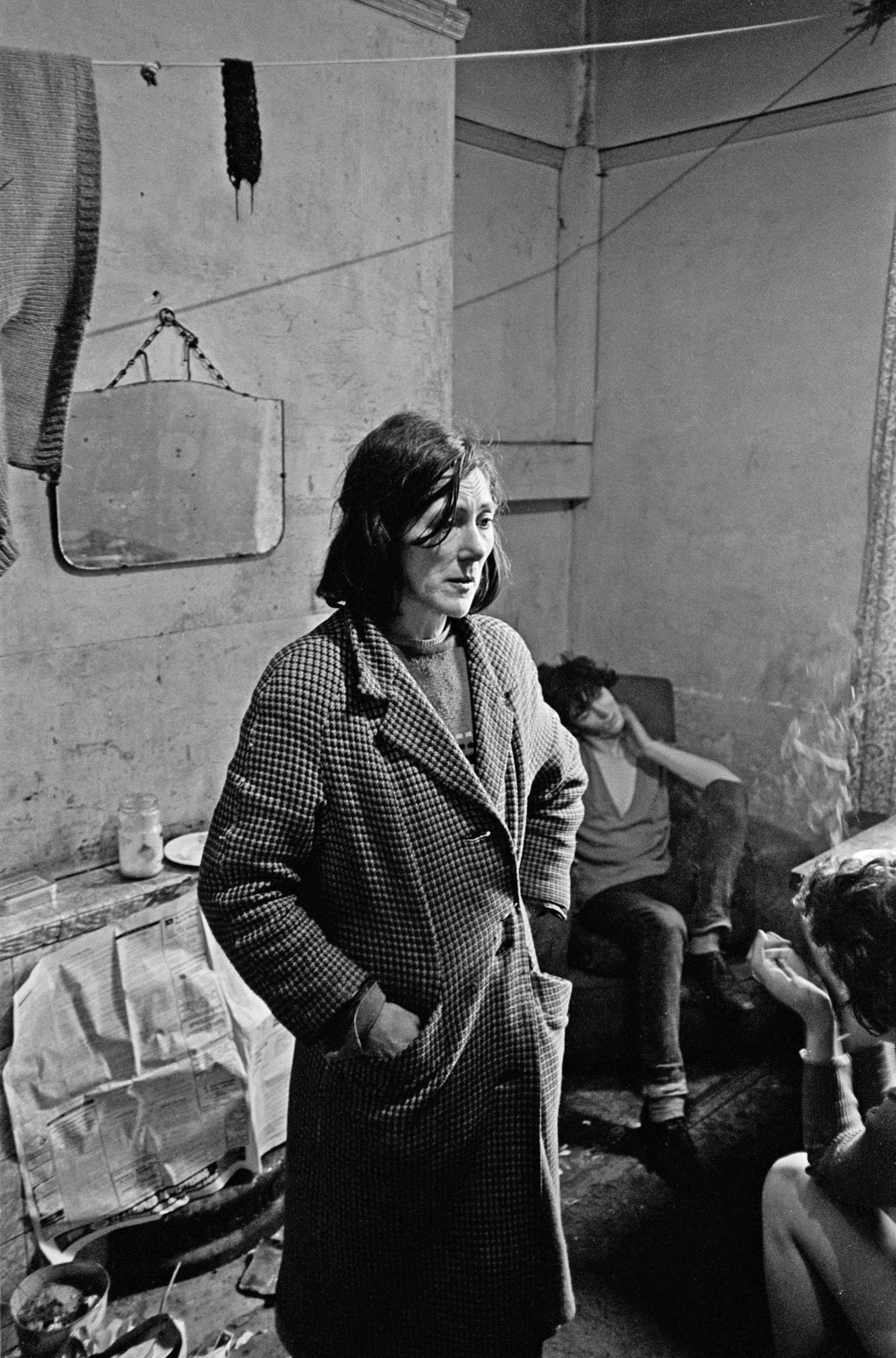
For four years, until 1972, Hedges knocked on hundreds of doors in Britain’s major cities and photographed those families – mainly from working-class and immigrant backgrounds – to draw attention to their plight. These pictures have been compiled in a new photobook, titled Home, which offers a glimpse into the life of the people who were left behind as the country revelled in post-war glory.
Faces and silhouettes are rendered in black-and-white, with damaged wallpaper and crumbling facades in the background. Some subjects look directly into the camera. Their expression is difficult to read, but according to Hedges, is a mix of guilt and resilience. “Misplaced guilt,” he clarifies. “They felt responsible for the situation that their family was in. But in actual fact, they shouldn’t be. The housing shortage was chronic.”
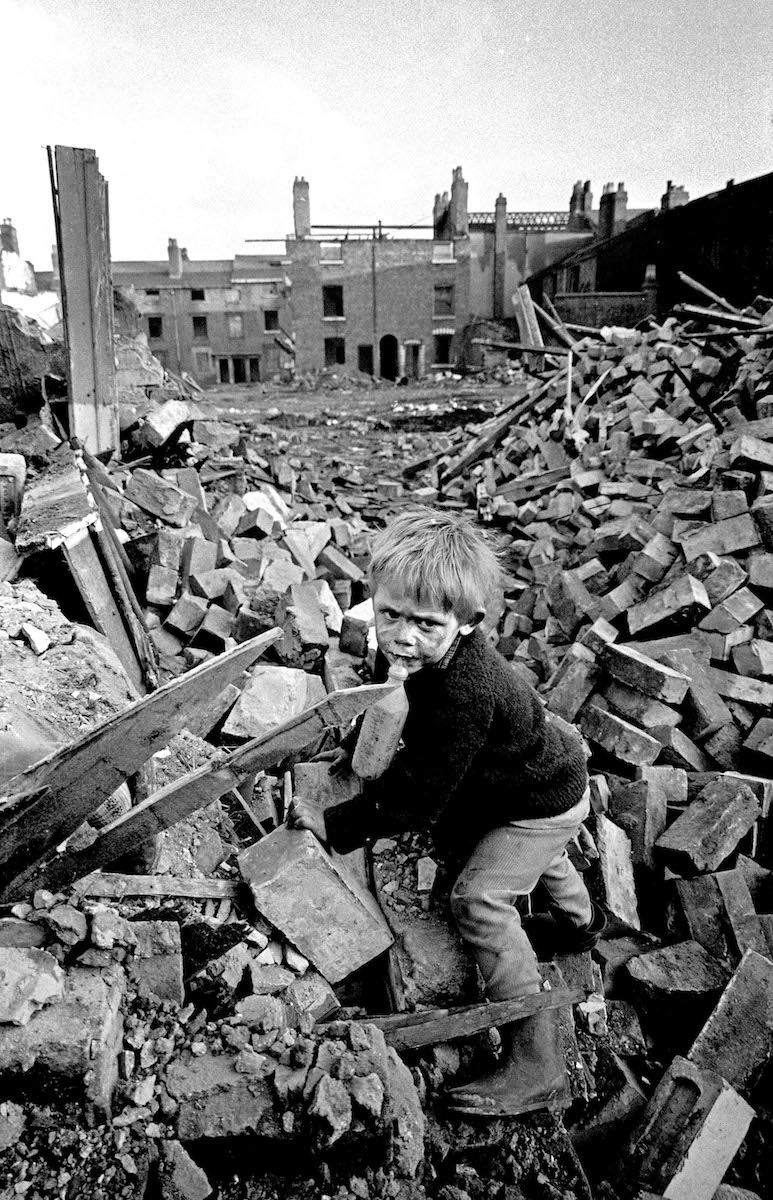
Hedges is grateful to those families who welcomed him into their homes and allowed him to capture the living conditions they were trapped in. “Everyone I met was a very worthy individual, and I got the sense that I should treat them with great humility because I was an outsider. I was invading their space,” he says.
One family, in particular, is forever ingrained in Hedges’ memory: Victor, Peggy, and their five children, who lived in a tower block in Whitechapel, London. Their run-down, crowded basement flat had almost no natural light coming in. “I got to know them very well over a number of months, and we were able to eventually get them rehoused,” Hedges recalls. He’s now in contact with one of their daughters, a happily married manager living in Birmingham.
“The extraordinary thing about the internet is that I’ve been contacted several times in the last two or three years by people who recognise themselves as children in these photographs,” Hedges says. “It’s been very heart-warming to hear their stories and how they’ve managed to survive and improve their lives.”
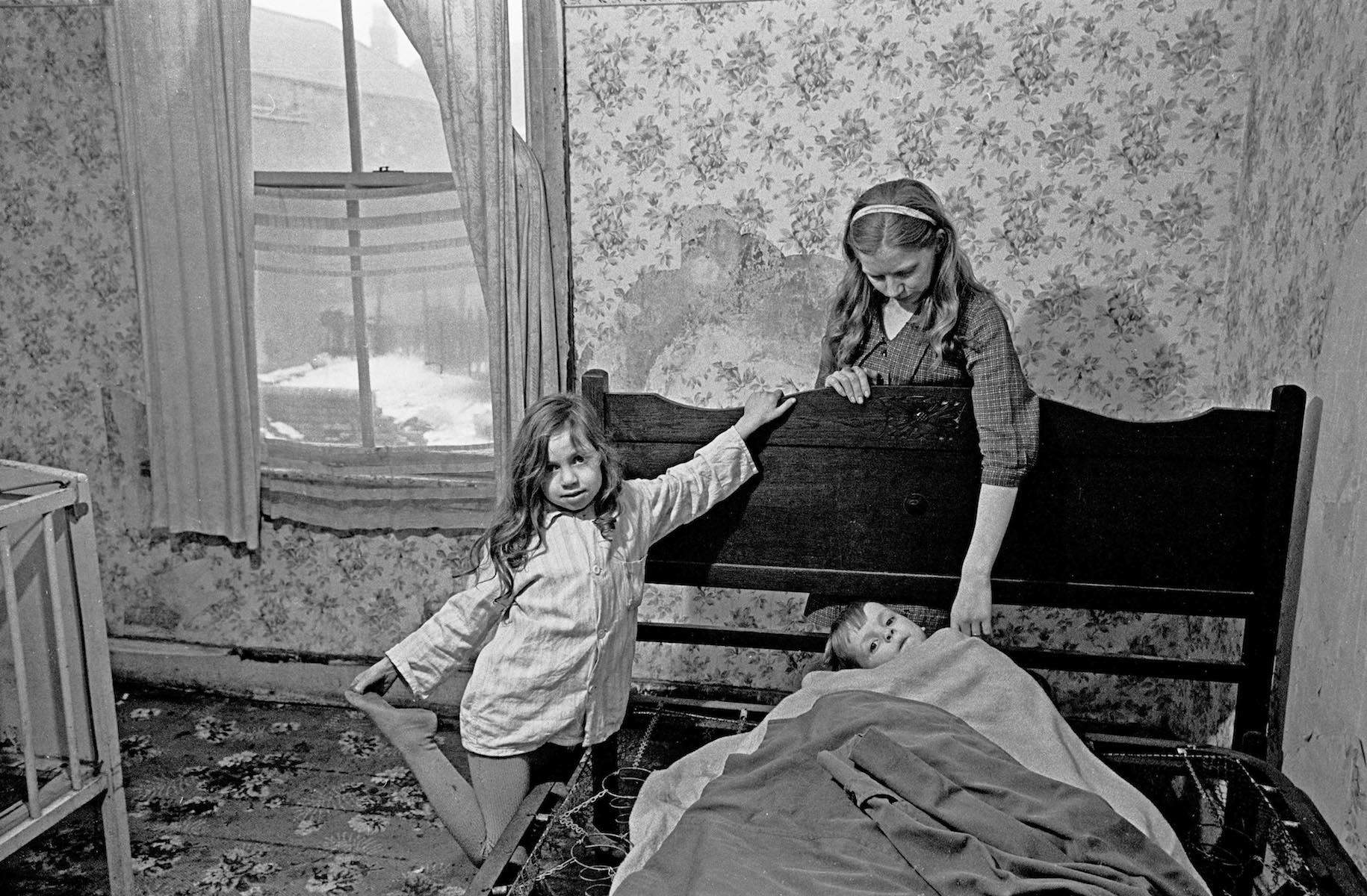
Although he’s delighted to hear about some of his subjects escaping poverty, Hedges is well aware that to this day, thousands of families are living in conditions similar to the ones he documented over 50 years ago. “The idea of social provision seems to have gone out of the window. It’s like there’s no longer a duty to look after the most fragile in our society,” he says. “That’s why the pictures, although they’re historical, do resonate today.”
Hedges considers his work as a record for posterity. “The photos are evidence. They’re evidence of people’s feelings, and of the lives that people have led,” he says. Half a century later, his work is as much a window into the past as a reflection on the present.
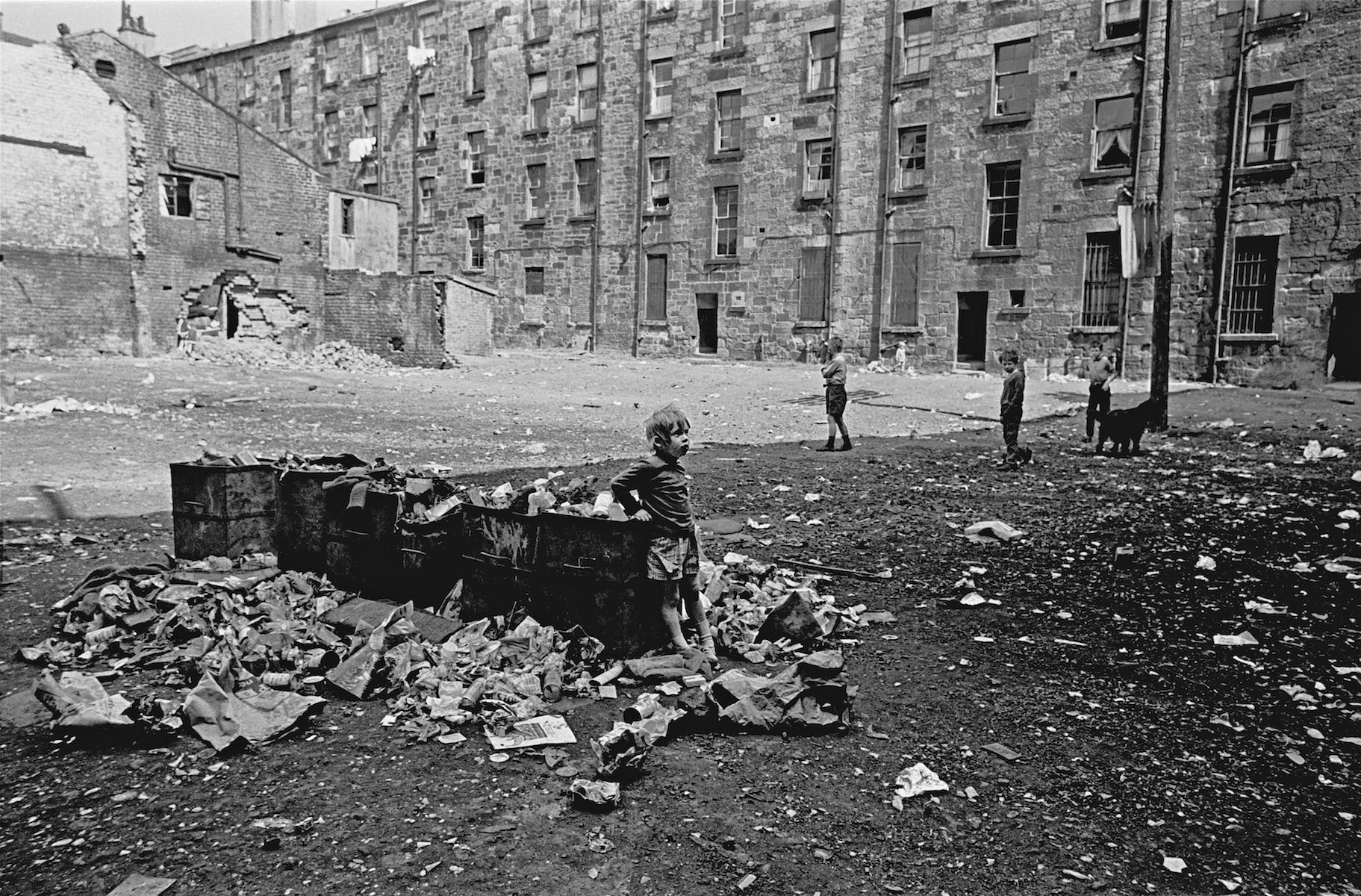
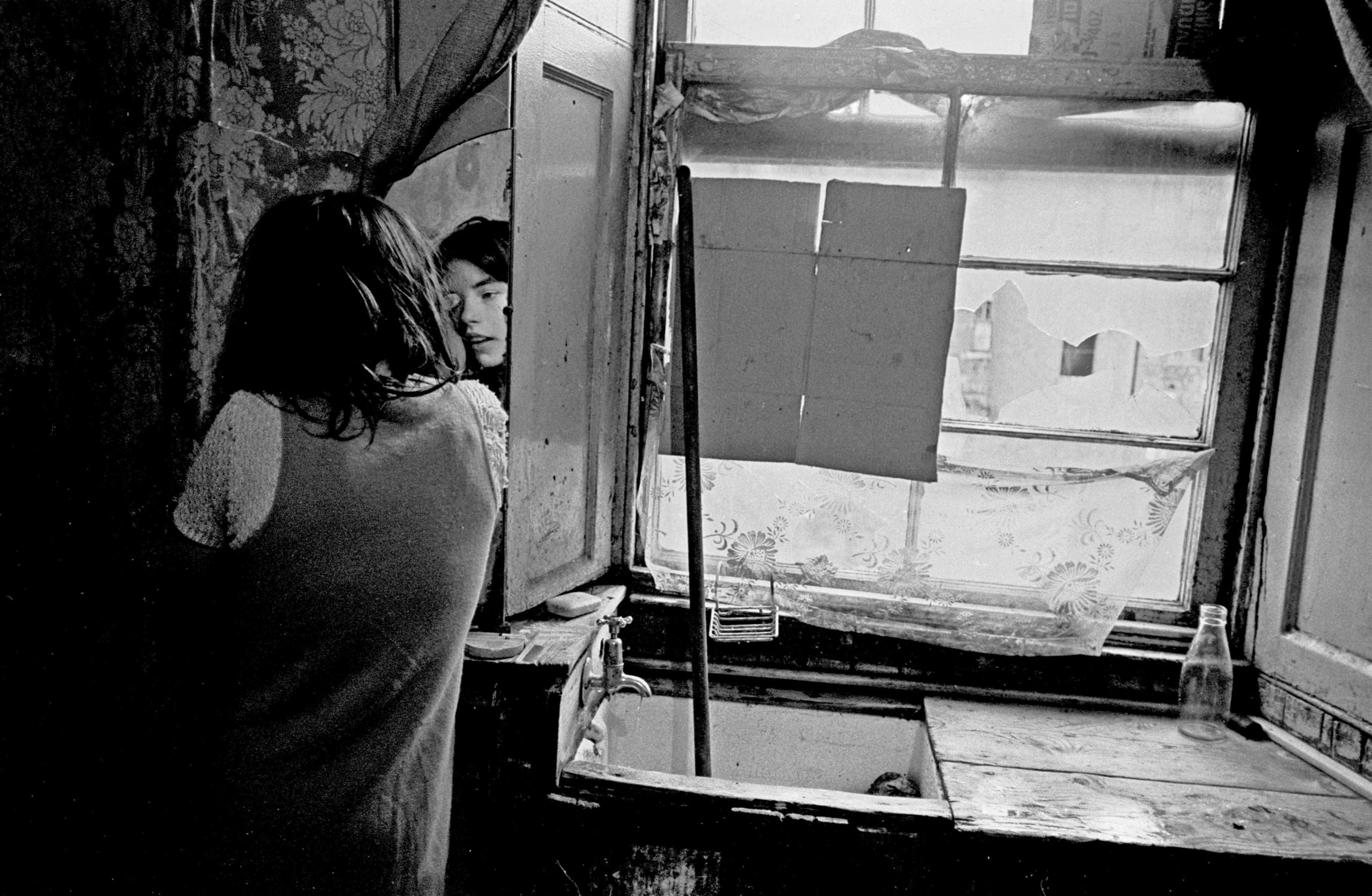
Home is out now on Setanta Books.
Follow Chloé Meley on Twitter.
Enjoyed this article? Like Huck on Facebook or follow us on Twitter.
You might like

Gold-tinged togetherness as Londoners flock to Primrose Hill for the solar eclipse
Celestial gathering — Ella Glossop photographs the once in decades event from one the city’s most popular gathering spots, and the community spirit that encapsulated the moment.
Written by: Ella Glossop

Surveying community and resistance in LGBTQ+ nightlife
Sex, Clubs Dissent — A new book collates queer nightlife photography over the past 50 years, and the people who found refuge and safe spaces after dark.
Written by: Miss Rosen

In photos: Electric nights in ’70s Japan
Tokyo–Koza — Keizō Kitajima’s new photobook explores the explosion of party culture of Tokyo and Okinawa during an era of rapid change in the country, as well as its stranger turns.
Written by: Miss Rosen

“Magazines are cultural artefacts”: magCulture’s Jeremy Leslie on the enduring importance of print
We love magazines — Despite the ever creeping digitalisation of the world and culture, physical objects are taking on different, yet vital, roles in culture today. Ella Glossop chats to one of London’s biggest proponents of the art about why we need to support independent publications.
Written by: Ella Glossop

The anti-tourism guides revealing Lisbon’s true, radical heart
We Hate Tourism Tours — The Portuguese capital sees millions of people visit a year, against a backdrop of political turbulence and a housing crisis fuelled by short term holiday lets. Jack Burke meets the crew subverting their city’s perception, while bringing lesser seen stories and monuments to light.
Written by: Jack Burke

Defiance and pride in Chicano Camera Culture
A Photographic History — A new major exhibition surveys Mexican American photography over six decades, platforming Chicano artists at a Chicano museum for the first time.
Written by: Miss Rosen


