Photos showing a different side to skinhead culture today
- Text by Miss Rosen
- Photography by Owen Harvey

In 1969, skinhead culture emerged on the streets of London’s East End slums and within the newly constructed brutalist housing estates. Alienated from the bourgeois hippie scene that flourished during the ‘swinging ‘60s’, a new generation of working-class youth came of age searching for their roots.
They found inspiration in a uniform look that paired shaved heads and Ben Sherman polo shirts with bleached jeans, Ma-1 flight jackets, and Doc Marten boots. The skinheads – and their ladies known as suedes – revelled in classic English fare: football games, pubs, and concerts. But they also embrace the style and sound of the Windrush Generation of the time, enjoying dub, reggae, rocksteady, and ska music.
But in the 1970s and ‘80s, as a second wave of skins and suedes came of age, the far right-wing organisation the National Front attempted to infiltrate the scene, appropriating their powerful aesthetics while embarking on a series of anti-immigration initiatives. Corporate media, ever ready to vilify the working class, turned skinheads into the boogeyman.
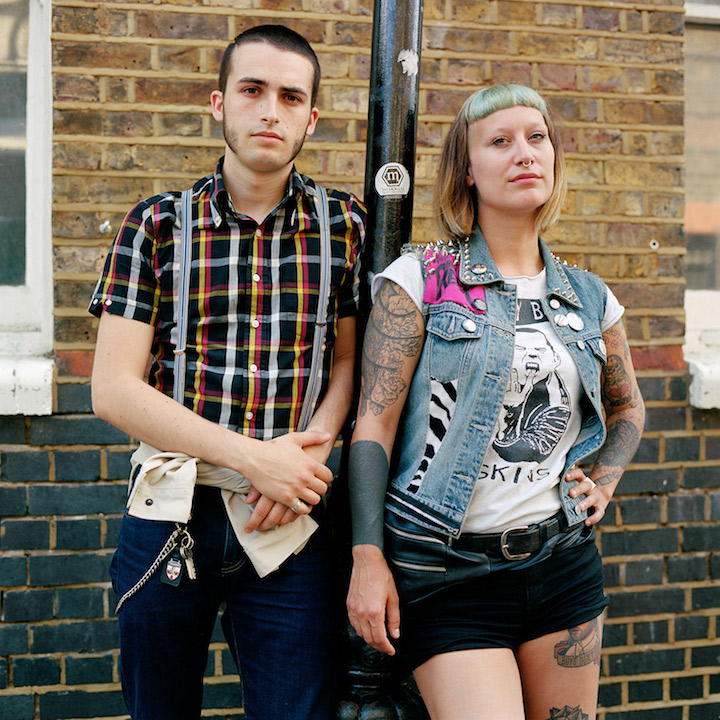
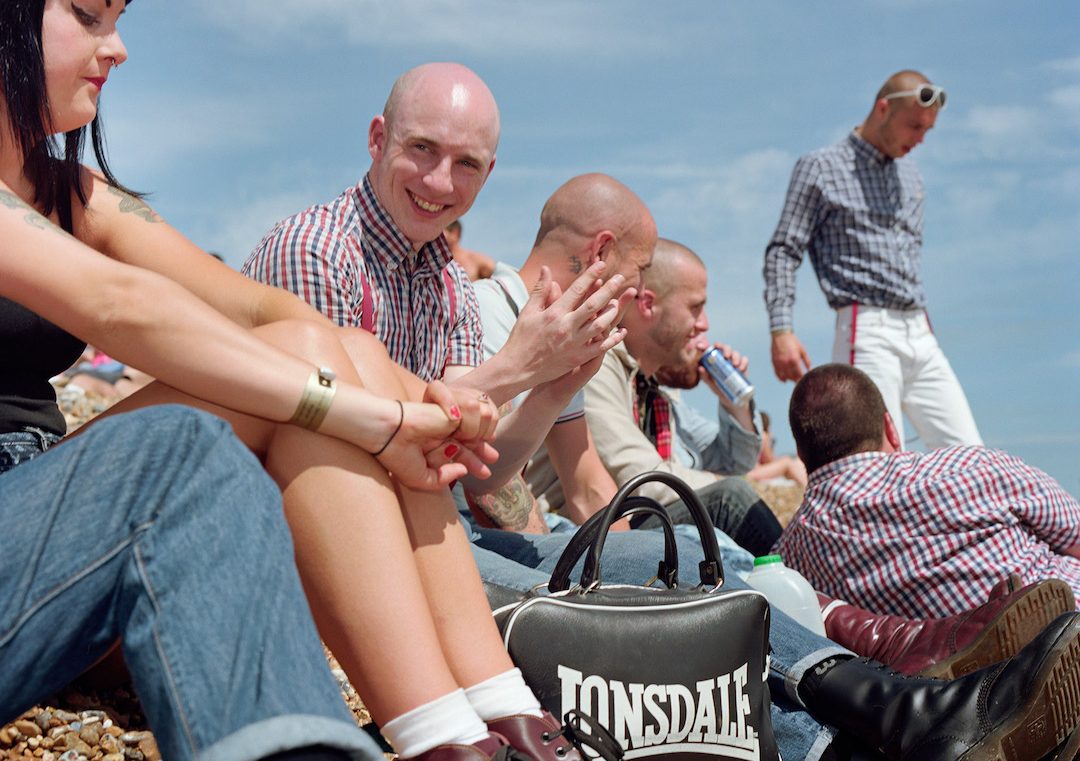
Despite the stigmas, skinhead culture has persevered and continues to flourish to this day. British photographer Owen Harvey, now 31, was first introduced to skinhead culture through his father. “He showed me records and told me stories of when he’d go to Chelsea FC in his early twenties,” Harvey says.
“Skinhead culture has always fascinated me because it’s complex and has many factions to the look. I was certainly interested in people’s dedication due to their heritage, how their group becomes like their extended family and such a big part of their identity.”
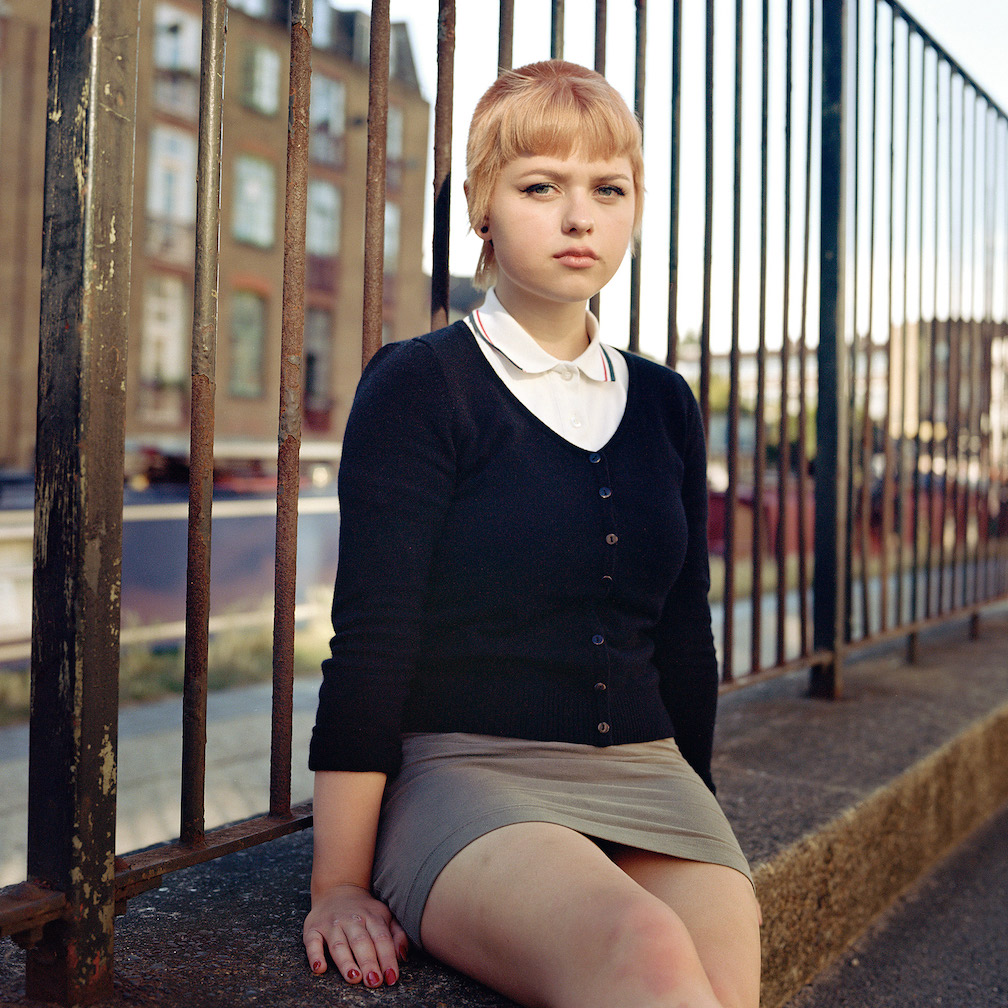
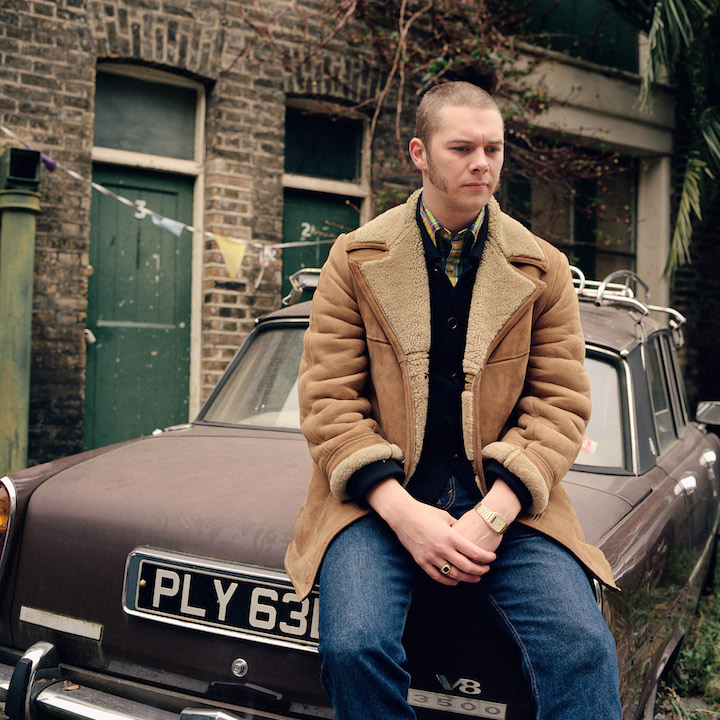
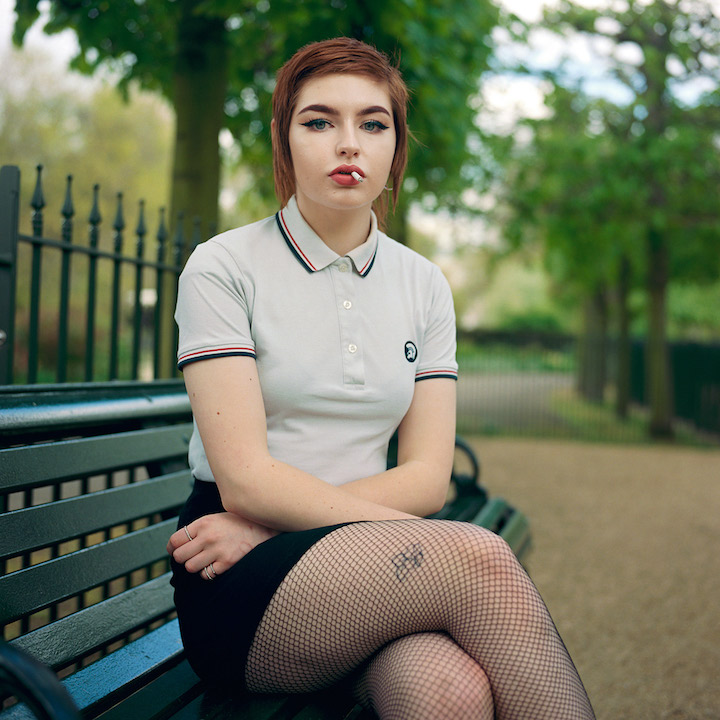
In 2014, Harvey embarked upon Skinheads and Suedes – an ongoing photography series that began with a commission from Fred Perry to document a local event for their website. Like Harvey, many of his subjects were introduced to the scene through their parents. “There is a connection that is quite deep. It’s about maintaining something linked in with their family and heritage and keeping it alive,” he says of his subjects, most of whom are ages 16 to 30.
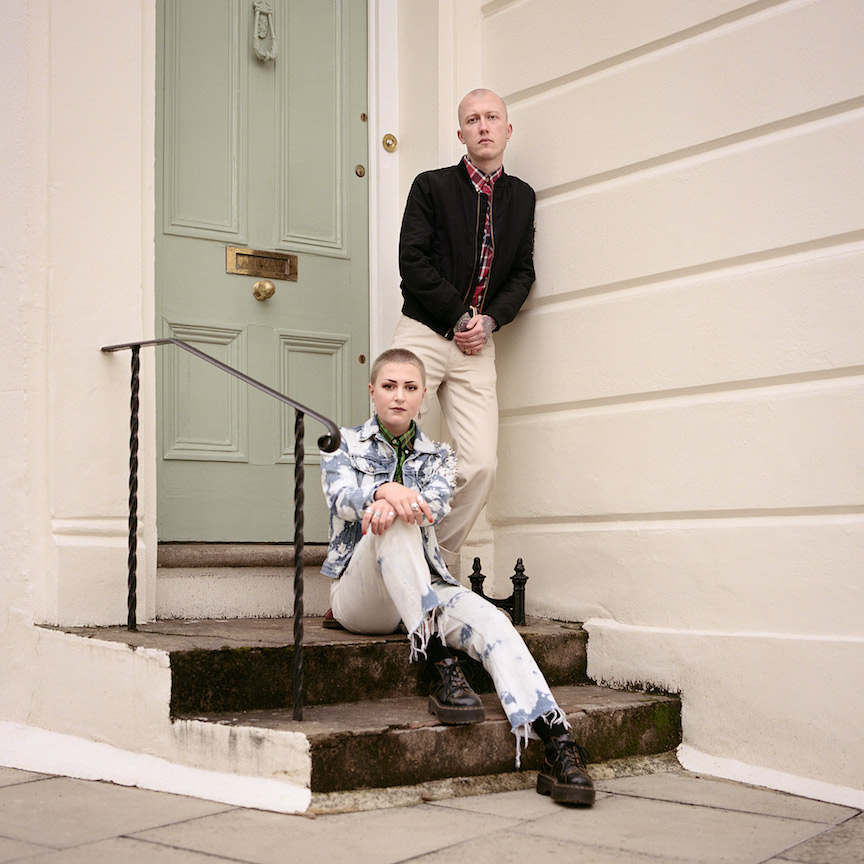
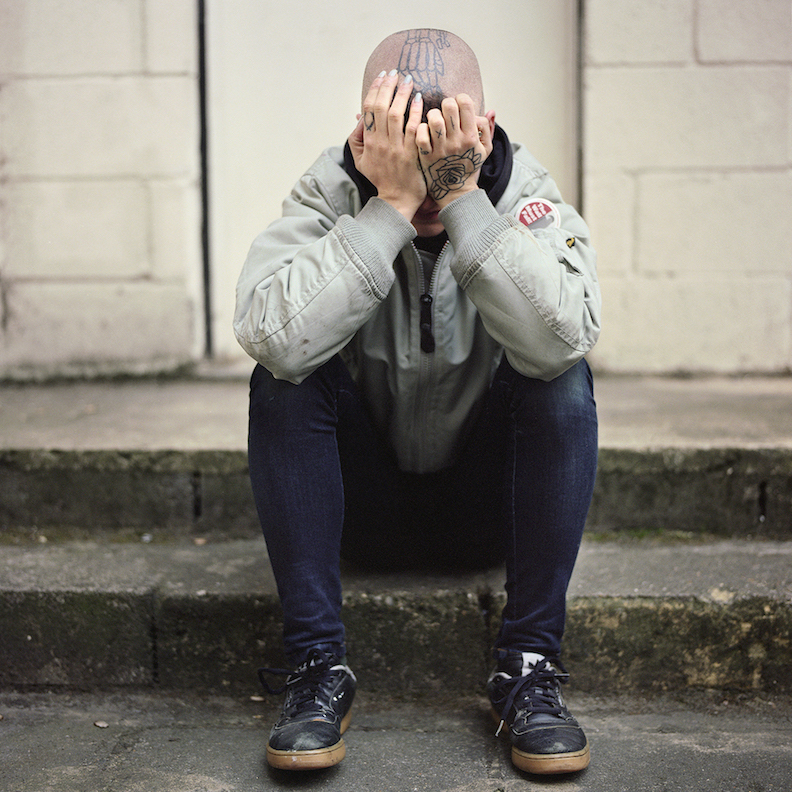
Working intuitively, Harvey selects subjects that have what he describes as “a sense of charisma. I usually do a lot of trawling online for people I think would be suitable for the series. Sometimes, it’s through going down to events and being introduced to friends of friends.”
In Harvey’s photographs, his subjects pose with pride, showing the enduring power of a culture that continues to fight for itself. “Young anti-fascist skinheads are very aware that the media mainly focuses on right-wing skinheads and projects the skinhead look as something to be feared,” Harvey says.
“What I found was a group of people who were interested in celebrating their heritage, who welcomed me and others around them with open arms – and who could still dance a lot better than me, even when they had 12 pints of cider in them.”
Follow Miss Rosen on Twitter.
Enjoyed this article? Like Huck on Facebook or follow us on Twitter.
You might like

Behind the curtain at Alternative Miss World 1981
Olympia glamour — Running a subversive take on the traditional beauty pageant, the Andrew Logan organised event prioritised underground creativity and invention. Photographer David Corio went behind the scenes at its biggest edition.
Written by: Miss Rosen

New exhibition highlights British radical living over 200 years
Earthly Paradise — Taking place at the William Morris Gallery, it explores the homes and lives of artists, writers, musicians and more, as well as the conditions that allowed them to thrive.
Written by: Isaac Muk

What life on the Strait of Hormuz is really like
Southern Winds — Bandar Abbas based photographer Morteza Niknahad has been capturing the diverse communities and stories of his local region since he first picked up a camera. His new series highlights the human impact of war.
Written by: Isaac Muk

Nick Haymes’s intimate portrait of his family’s life
Chronograph — Over 25 years, the photographer documented his son’s lives as they grew into adults. The resulting photobook is an exploration of the passage of time, as well as the optimism of youth.
Written by: Miss Rosen

Kristina Rozhkova’s scatty, confronting portrait of captivity
Gut Feeling — The Russian artist’s 2024 arrest and subsequent detention opened her eye towards the omnipresent dynamics of power and control. Her new photobook is a stark exploration of being trapped.
Written by: Isaac Muk

UK’s first ever Latino film festival is coming to London
LoLaFF — Taking place between October 2-6, it will feature 55 filmmakers from Latin America, with an opening night at the Barbican.
Written by: Isaac Muk


