
Amazing things created by refugees

News stories can sometimes make us forget that refugees are also people. And people can do great things when they’re given the freedom to be safe. Here’s some examples of things we wouldn’t have if we tightened borders.
The iPhone
Steve Jobs grandmother was an Armenian refugee who lost her first husband in the war and moved to San Francisco with her parents. If you don’t want refugees in your country, don’t use an iPhone you hypocrite.

Discovery of Immunological Tolerance
An Emeritus professor, Leslie Brent is approaching his nineties, and has behind him a legacy that evokes both terror and admiration. In 1938 he was one of the first Jews to escape anti-semitic prejudice in Nazi Germany on the Kindertransports, coming to the United Kingdom as a thirteen-year-old refugee. His family were not so fortunate. Despite suffering due to the absence of his parents and survivor’s guilt, Leslie had a successful academic career, climaxing with his co-discovery of immunological tolerance, which led to a Nobel prize. Read his full story in Huck 53 – The Change Issue, as part of our portrait series shot by Michael Vince Kim.

The Mini
The creator of the Mini, Sir Alec Issigonis, was a Greek refugee who fled Turkey in 1922, ahead of the Great Fire of Smyrna and the Turkish re-possession of Smyrna at the end of the Greco-Turkish War (1919–1922). Issigonis went into the motor industry as an engineer and designer and later designed the mini in response to fuel rationing brought about by the Suez Crisis.

Paper Planes
Calculated as the seventh best-selling song by a British artist in the digital era, Paper Planes was written and performed by MIA, a British hip hop artist who fled to the UK aged eleven from the Sri Lankan Civil War in which her father was a Tamil activist.
Check out the full article in Huck 53 – The Change Issue. Grab a copy in the Huck Shop or subscribe today to make sure you don’t miss another issue.
You might like

Introducing our new issue of Huck Magazine: It Starts With Us
Huck 84 — For our second 20th anniversary issue, we spotlight 20 people and groups providing the world with a hopeful future.

Signs of solidarity as London marks three years of genocide in Palestine
Never forget — 250,000 people gathered on Saturday as Israeli attacks have continued in Gaza and the West Bank. Daisy Schofield photographed the diverse people and placards in attendance.

Landmark new exhibition is celebrating 50 years of female punk
God Save the Queens — The Museum of Youth Culture is bringing together rare photography, archive material and a one-night-only supergroup featuring members of X-Ray Spex, The Slits and The Raincoats.

Photographing America’s 20th century rebels
Rebels With a Cause — A new monograph looks back at Jean-Pierre Laffont’s extensive archive documenting counterculture, art, activism and more, shaping the country as it is today.

Sports Banger is throwing a party to mark 90 years since the Battle of Cable Street
“Fascists hate dancing” — The October event will bring DJs, live music, sound system culture and anti-fascist politics together in East London.
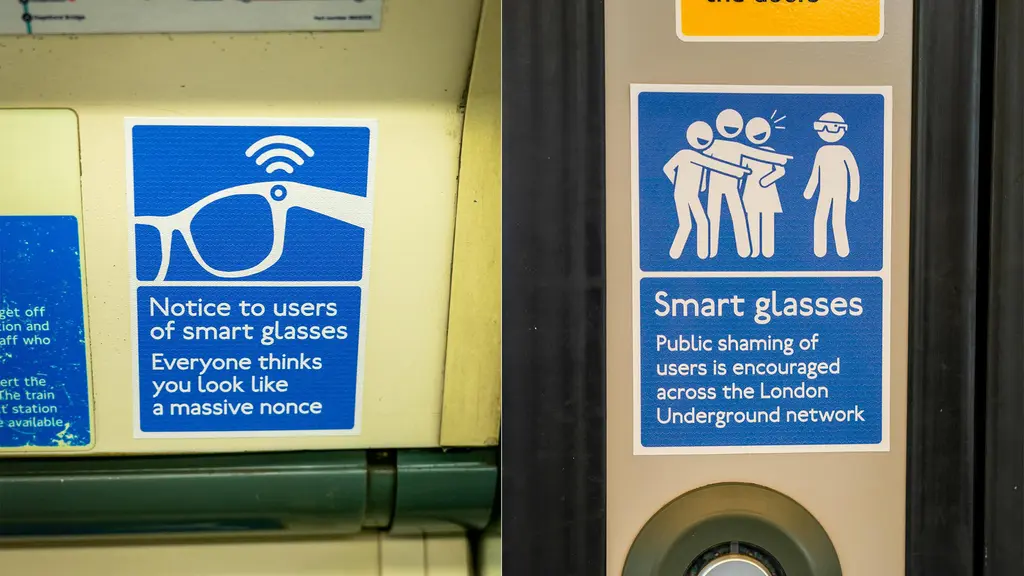
Activists slam “pervert glasses” in new guerrilla campaign
Everyone Hates Elon — Stickers have appeared on the London Underground network, criticising the wearable technology’s covert filming capabilities.


