Surreal shots of modern Britain
- Text by Millie Morris
- Photography by Stephen Leslie

As an artist or writer with print aspirations, the quest to get a book published can be long and often fruitless. Concepts too niche for mainstream publishers might stand in the way of bringing an idea to life, and there’s always the possibility of the next big thing simply not getting snapped up – remember how many rejections JK Rowling got before someone invested in the multi-million-pound empire that became of Harry Potter?
In the face of publishing adversity, screenwriter and photographer Stephen Leslie found a different way of ensuring that his proposal made it to the page. Seeking to release SPARKS to the world, a compilation of over 20 years’ worth of street photography with a twist, Stephen found his saviour in Unbound, a UK-based publishing company established in 2011.
“I had an agent who initially pitched the book around to a few publishers, but none of them were willing to take a gamble as the idea is quite unconventional,” says Stephen. “Once we’d had a few knock backs from mainstream publishing, I decided to do things differently.”

Unbound works on the basis of crowdfunding: once an author has successfully pitched their idea to the company, the author must then raise the money for the publication of their book. This is the model’s key difference to self-publishing, since not a penny comes out of the author’s own pocket. Unlike other crowdfunding sites such as Kickstarter, there is no limit to the length of a campaign: Stephen notes that some writers have seen successful Unbound campaigns turn around in a matter of days, whereas for others it might be years.
“It’s a very simple yet sensible idea,” says Stephen. “By crowdfunding, you effectively prove in advance that there’s a market for your book. It’s just like pre-ordering: people invest in a concept and if enough of them do it then the book is made.”
Launching his campaign two years ago by giving a speech at Street London, the annual street photography festival now run by Hoxton Mini Press (which celebrated its most recent event just this weekend), Stephen found that: “There is a strong and enthusiastic street photography community [there], who are very supportive of good ideas.” Within six months, SPARKS had reached its financial target – and is now set for release on August 23.


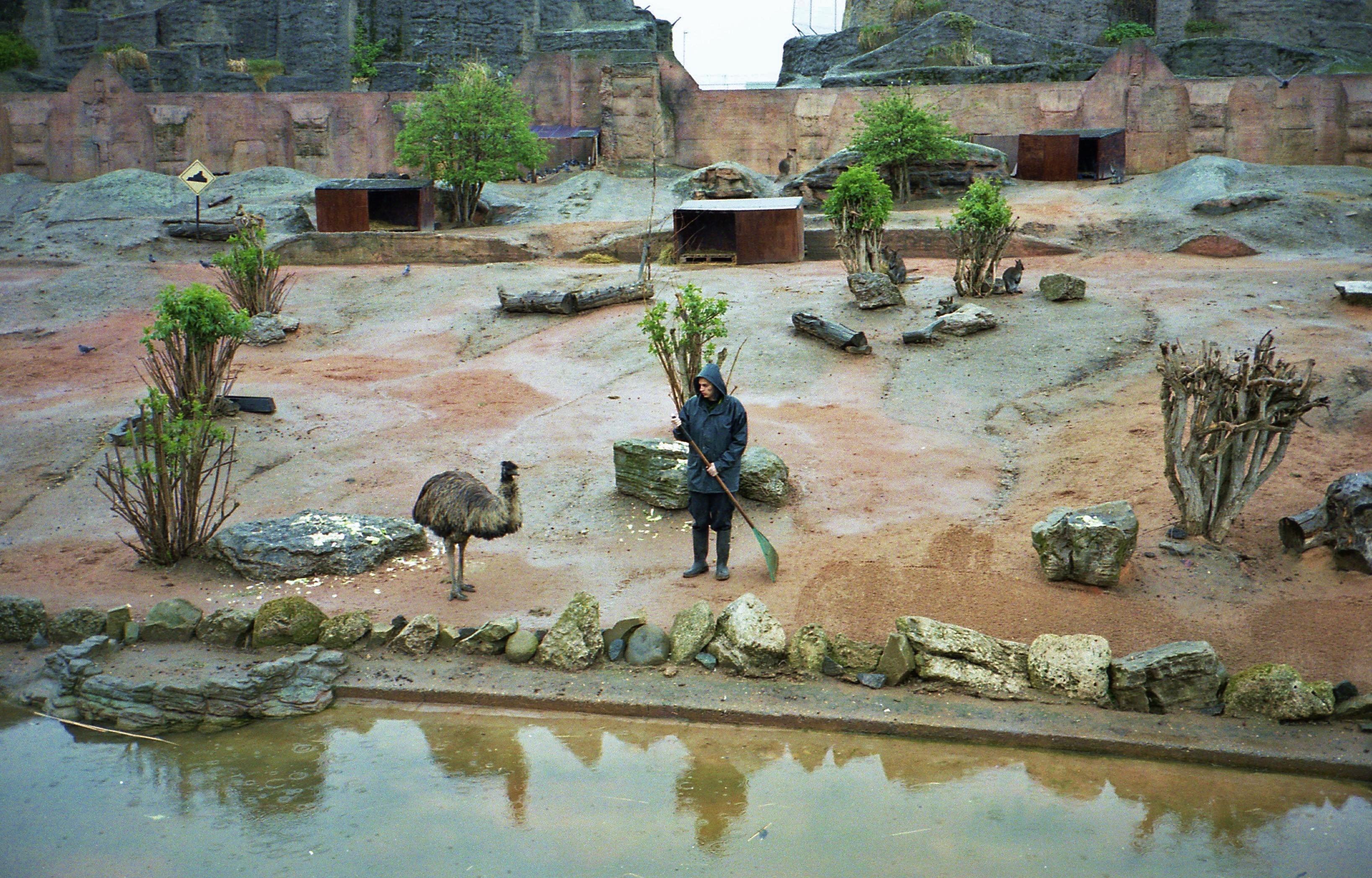
But SPARKS is no ordinary photography book; Stephen has written a short story about each photograph it features. Decidedly unpacking (or indeed, building upon) the mystery contained within each snapshot, it is a unique and delightful blend of visuals and words. Perhaps it is this uniqueness which drew Unbound – who more commonly publish text-only books – to the work, enabling a hardback volume to encase each of Stephen’s carefully composed pieces.
Whilst this method of publishing is not without its issues, as Stephen points out the lengthy time between reaching the fund target and actually releasing the book, it could pave the way for future opportunities that fellow artists and writers never thought they’d encounter. If readers are given the opportunity to financially invest in the books they want to see on the market, the landscape of democratic publishing could be altered indefinitely – and for the better.


The launch event for SPARKS is on 30 August at theprintspacegallery in Hoxton, and the book is available for pre-order here.
Enjoyed this article? Like Huck on Facebook or follow us on Twitter.
You might like

Jesse Glazzard’s messy portrait of queer friends, lovers and chosen family
The Sound of Dirt and Beauty — The photographer’s debut monograph explores tender, unpolished moments shaped by the people who he surrounds himself with, while offering a window into the UK’s working-class LGBTQ+ community.
Written by: Sunny Sunday

Behind the curtain at Alternative Miss World 1981
Olympia glamour — Running a subversive take on the traditional beauty pageant, the Andrew Logan organised event prioritised underground creativity and invention. Photographer David Corio went behind the scenes at its biggest edition.
Written by: Miss Rosen

New exhibition highlights British radical living over 200 years
Earthly Paradise — Taking place at the William Morris Gallery, it explores the homes and lives of artists, writers, musicians and more, as well as the conditions that allowed them to thrive.
Written by: Isaac Muk

What life on the Strait of Hormuz is really like
Southern Winds — Bandar Abbas based photographer Morteza Niknahad has been capturing the diverse communities and stories of his local region since he first picked up a camera. His new series highlights the human impact of war.
Written by: Isaac Muk

Nick Haymes’s intimate portrait of his family’s life
Chronograph — Over 25 years, the photographer documented his son’s lives as they grew into adults. The resulting photobook is an exploration of the passage of time, as well as the optimism of youth.
Written by: Miss Rosen

Kristina Rozhkova’s scatty, confronting portrait of captivity
Gut Feeling — The Russian artist’s 2024 arrest and subsequent detention opened her eye towards the omnipresent dynamics of power and control. Her new photobook is a stark exploration of being trapped.
Written by: Isaac Muk


